Field notes
Serving, observability and AI operations
Retrieval selects the evidence, serving determines waiting time, caching shapes the bill, and telemetry decides whether a failure can be understood. These layers often matter more than the model name.
The current guides explain ingestion and query pipelines, source freshness, and recovery plans for indexes, weights, traces and queues.
Reading
Guides in this collection.
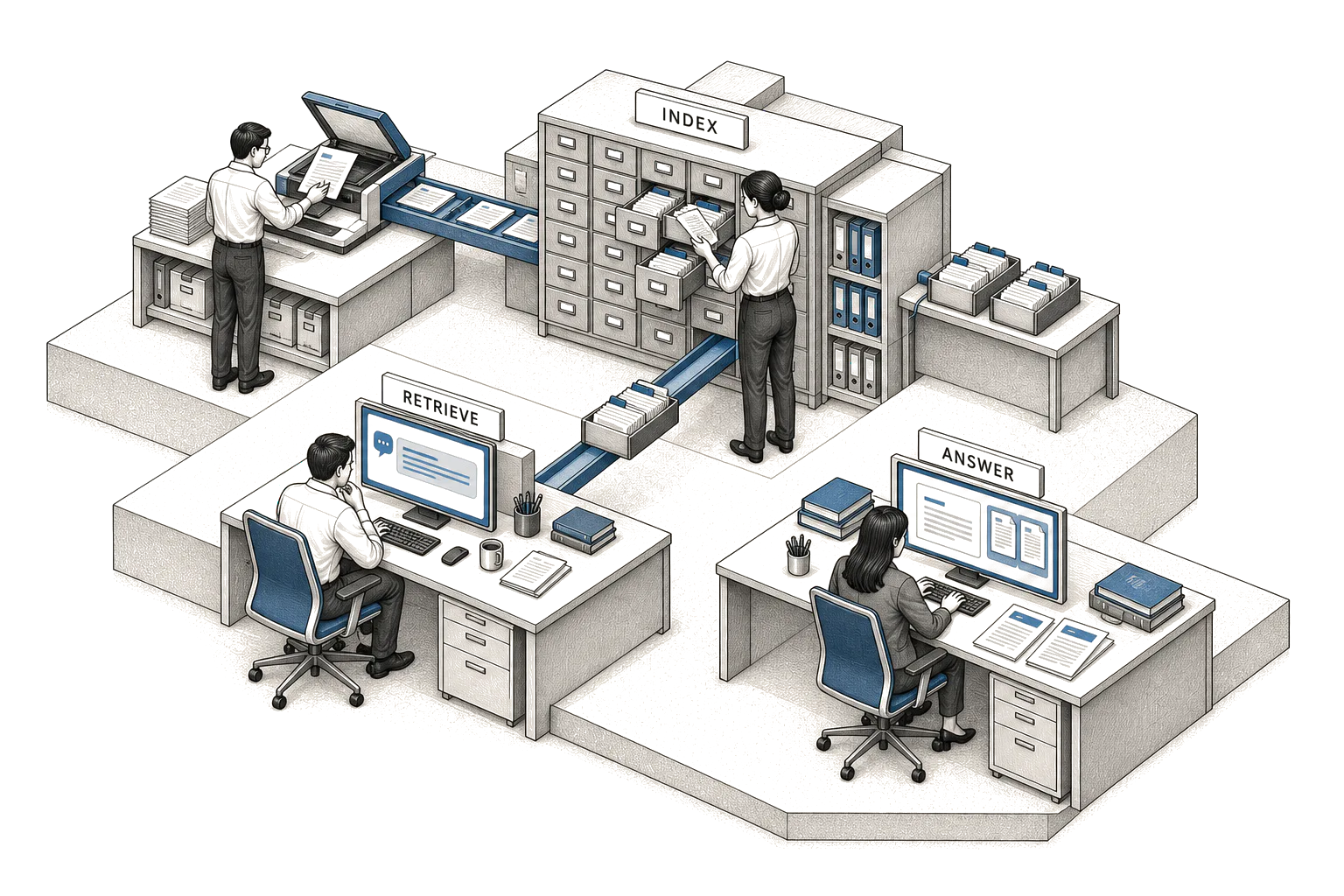
How enterprise RAG works across two pipelinesEnterprise RAG is two pipelines running on different clocks, an ingestion pipeline that builds and refreshes the index and a query pipeline that serves. Most failures live in the gap between them, and treating retrieval as one request path hides all of them.8 min readRead
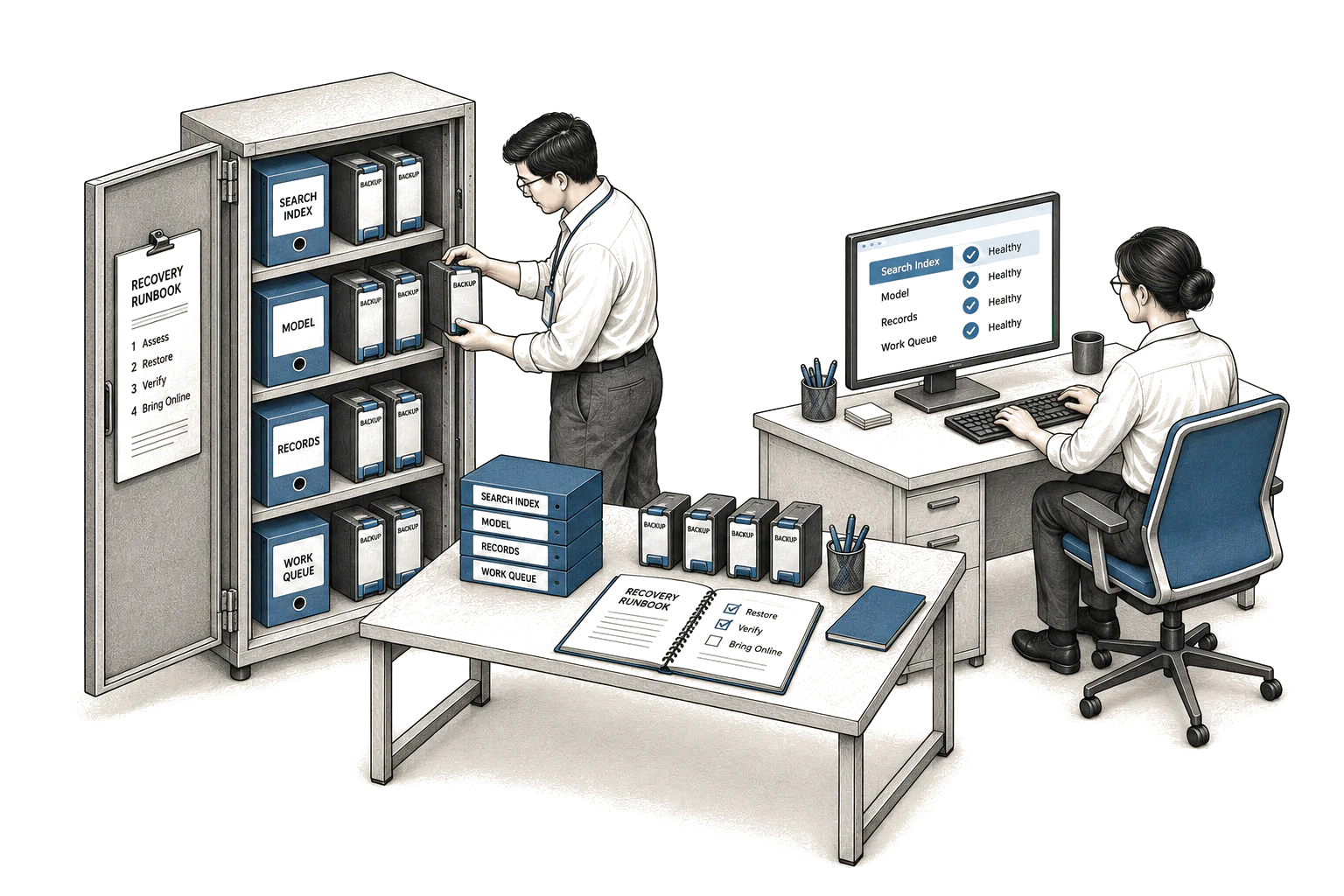
Write a disaster recovery plan for your AI systemRecovery objectives must be stated separately for the index, the weights, the trace store, and the queue, because each has a different rebuild time and a different data loss cost.12 min readRead
Related systems
What we build here
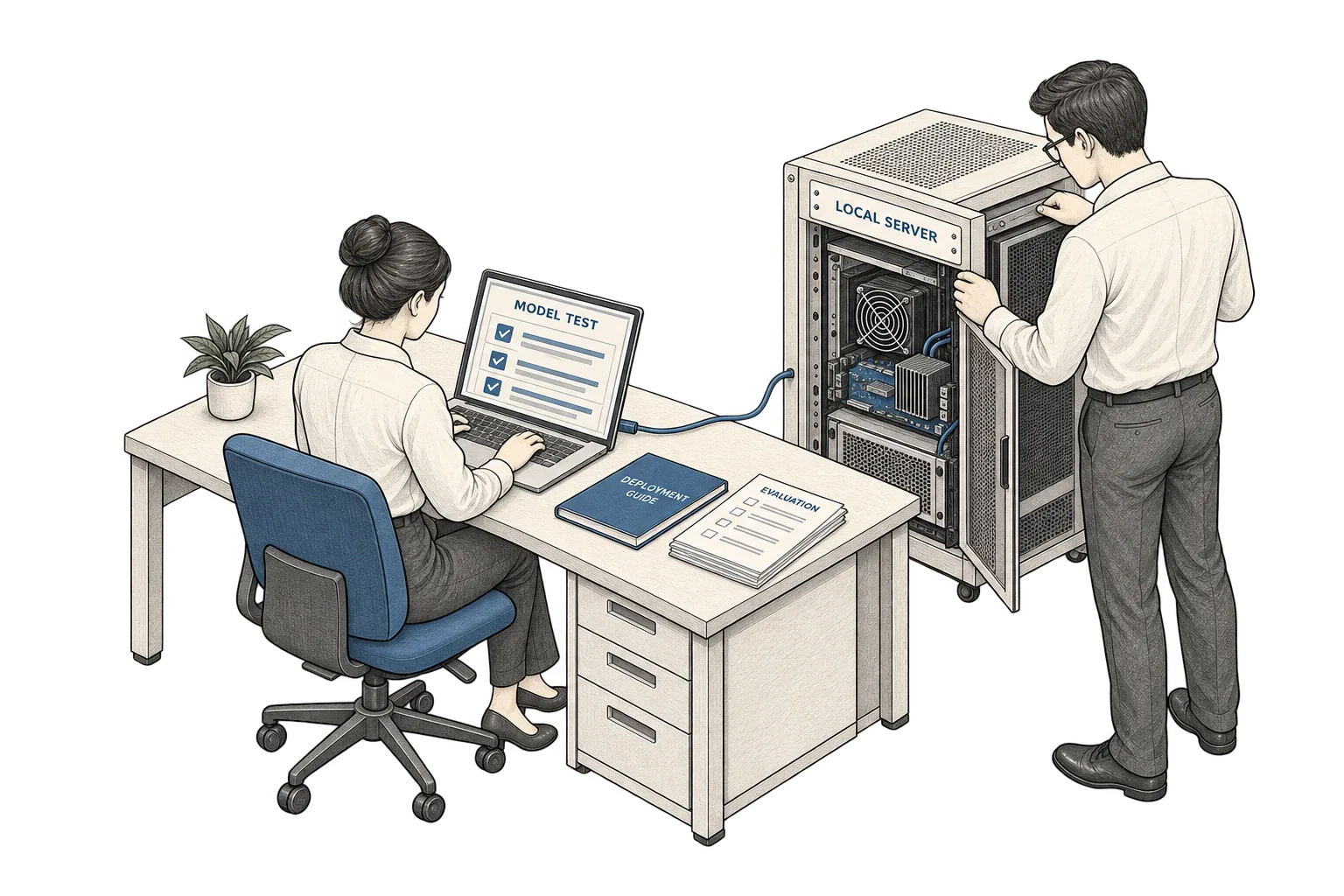
SLMs & local modelsRun AI on company servers or devices. We select, adapt and deploy models for your tasks, with privacy controls and speed and operating cost tested at your expected volume.Explore
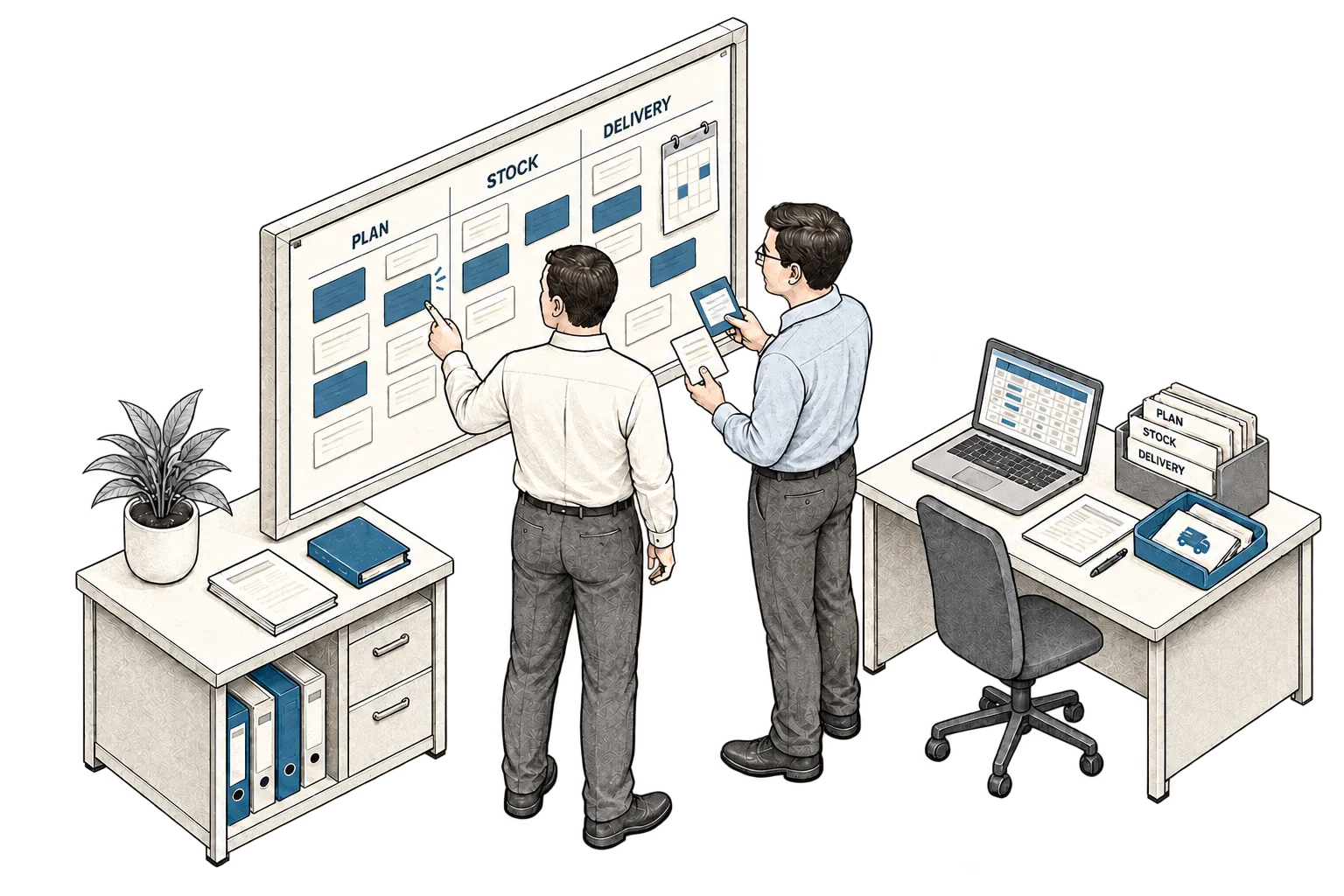
Planning & coordinationBring schedules, stock, orders and deliveries into a shared plan. See what is blocked, compare options and coordinate the next steps with the people responsible.Explore
Company knowledgeFind a policy, recover a project decision or ask about an internal record. Search connected documents, messages and tools in one place, with source references and your existing access permissions.Explore
Working on this
Putting this into practice with your team?
Send your name and work email. We will come back with what we would check first and whether it is worth building at all.
or email us directly athello@calquity.com