The CalQuity Blog
Questions behind better systems.
Practical writing on building AI systems, making sound engineering decisions and choosing what is worth doing in the first place.
Explore the Blog
Find your next question.
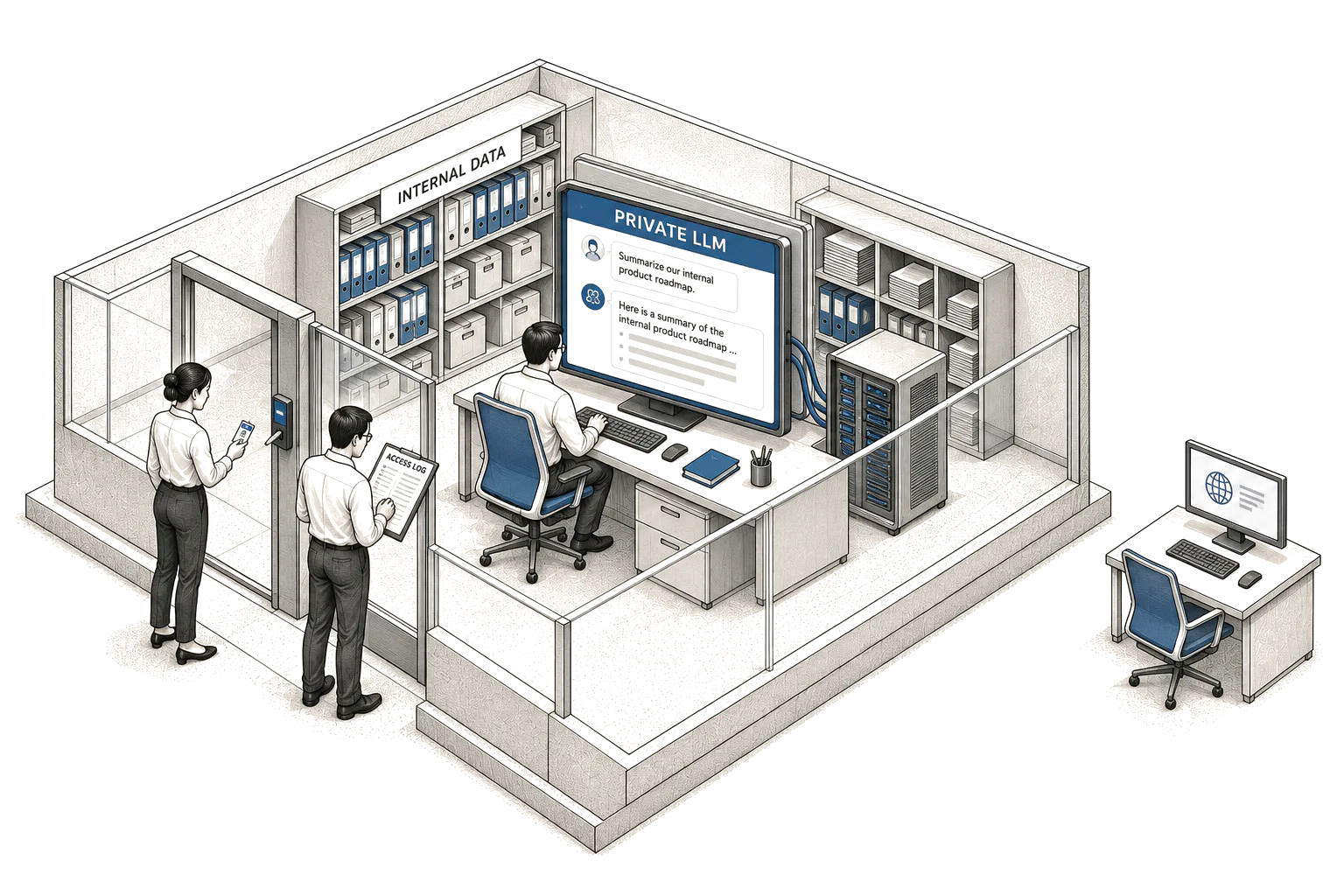
What makes an LLM private?Privacy is established by evidence about access, retention, training use, egress, logs, keys, and deletion, not by a hosting label.8 min readRead
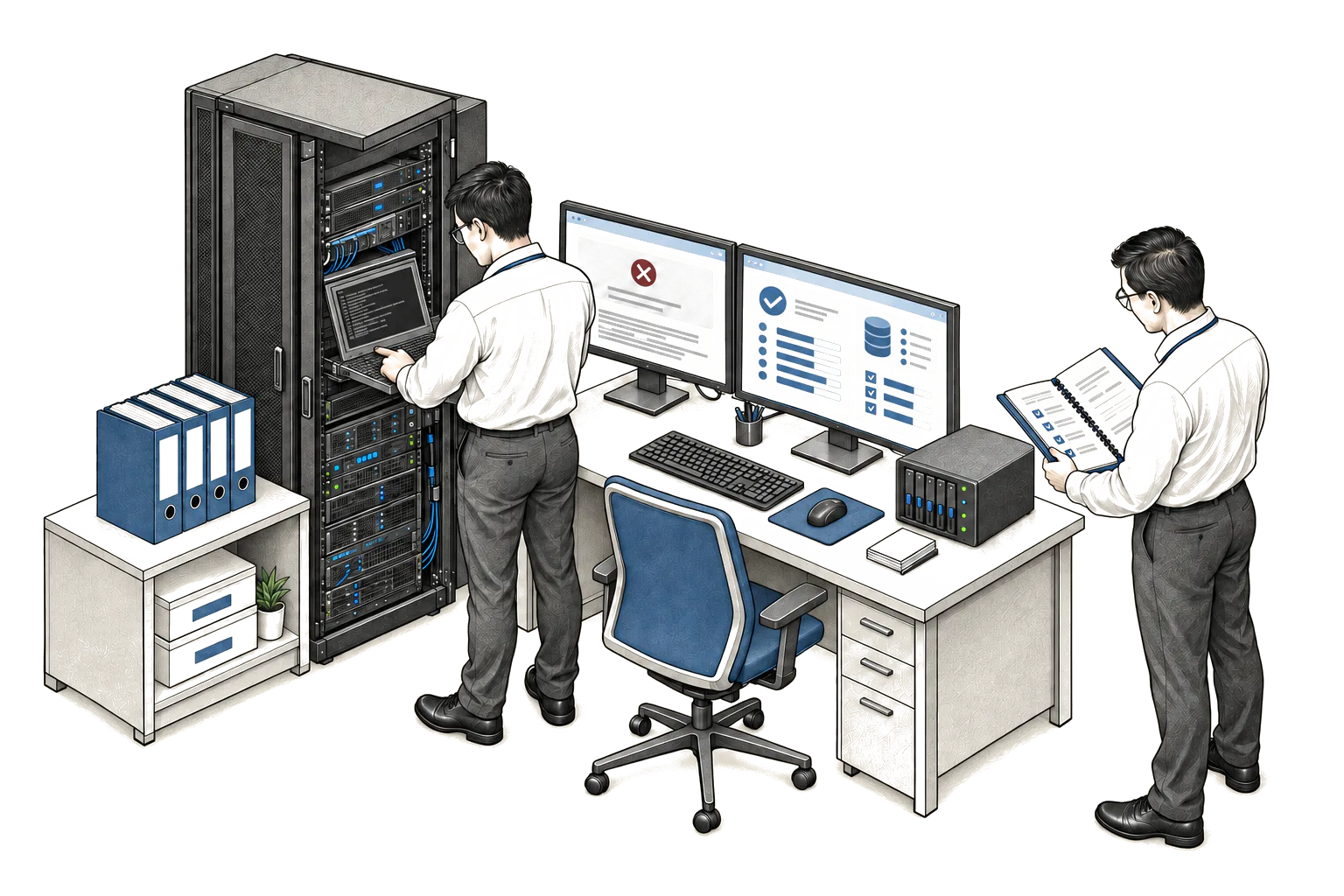
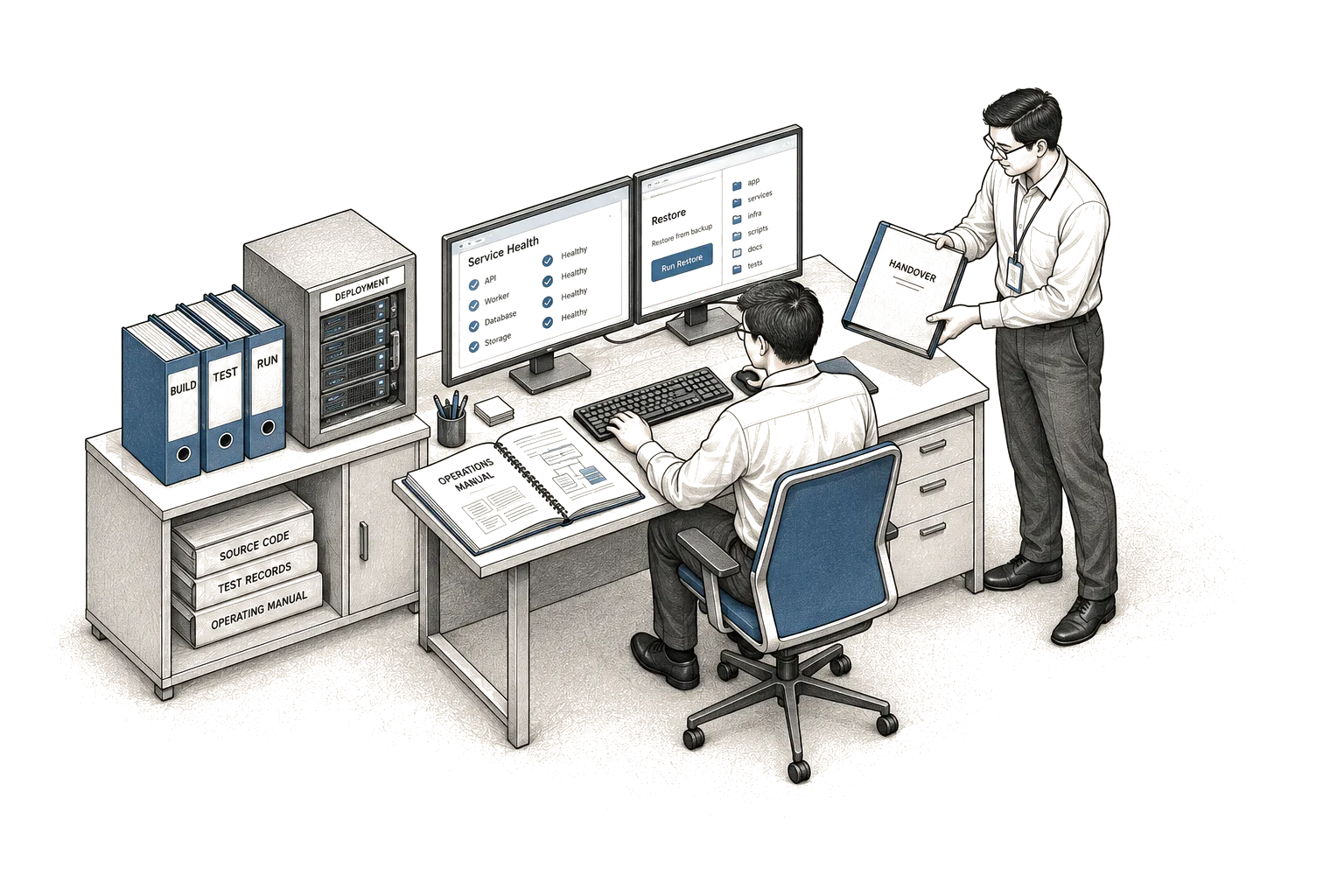
Can another team operate what your AI vendor built?Handover passes only when a new team can rebuild, evaluate, deploy, observe, roll back, and operate the system.7 min readRead
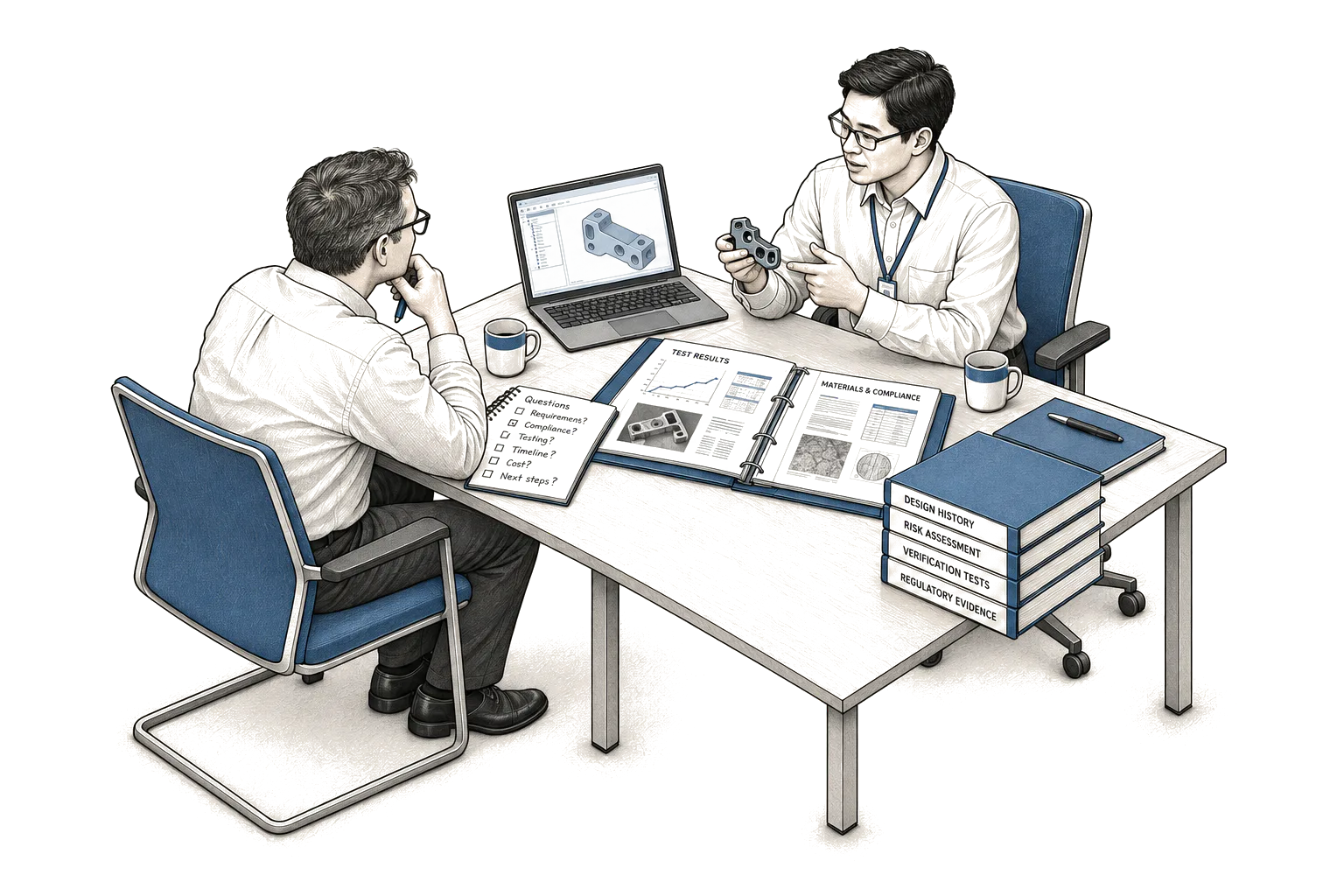
What proof should an AI engineering partner provide?The proof worth asking for is evidence the partner produced as a by-product of doing the work, not documents assembled for the sale: run records, the evaluation set and its failures, the decisions that were reversed, and a handover another team has actually used. Anything authored for the pitch tests writing, not work.8 min readRead
What does enterprise AI cost after review and rework?The useful cost is accepted work after integration, evaluation, review, exceptions, operations, and downstream error, not model usage alone.8 min readRead
Chatbot, copilot, workflow, or AI agent?Classify systems by the external state they may change and increase permission, approval, and recovery controls with consequence.8 min readRead
Generative AI, predictive AI, and automation solve different problemsThe three answer different questions. Automation executes a decision already specified, prediction estimates a quantity from history, and generation produces a candidate artifact that still needs checking. Choosing the wrong one shows up as a verification cost you cannot remove later.8 min readRead
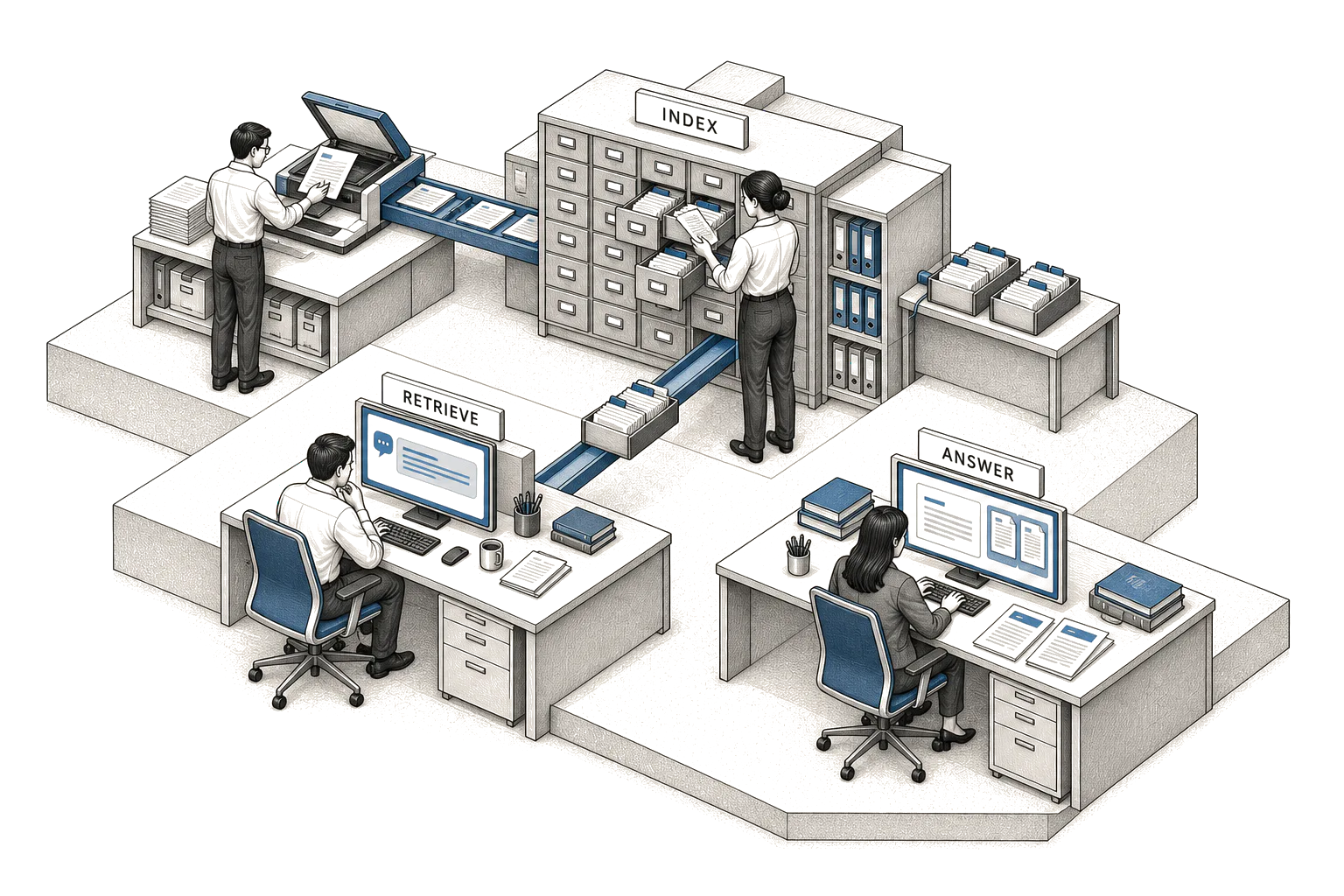
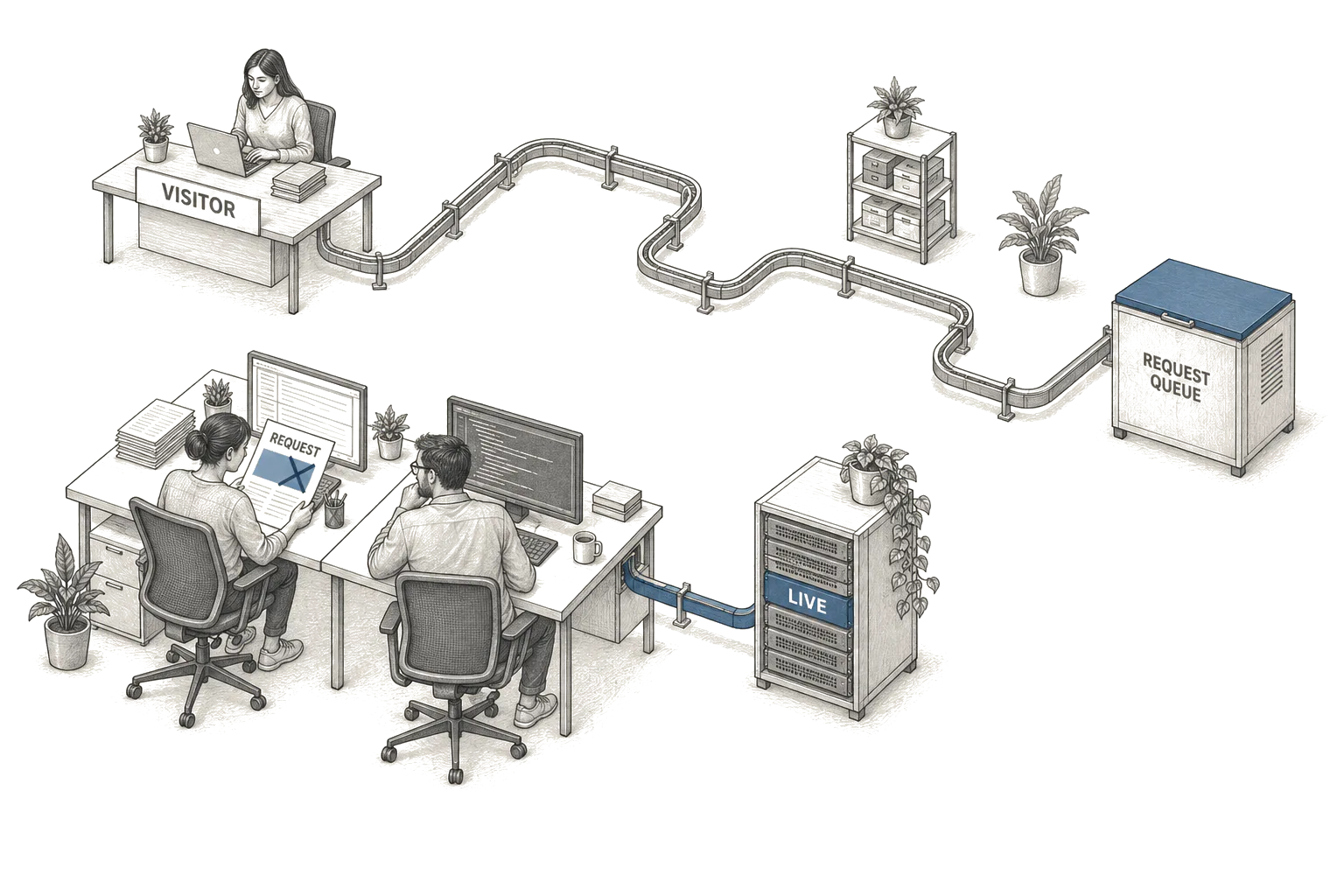
How enterprise RAG works across two pipelinesEnterprise RAG is two pipelines running on different clocks, an ingestion pipeline that builds and refreshes the index and a query pipeline that serves. Most failures live in the gap between them, and treating retrieval as one request path hides all of them.8 min readRead
When should a business not use AI?Reject AI when rules suffice, representative evidence is unavailable, errors cannot be contained, verification erases value, rights are unresolved, or no fallback exists.8 min readRead
Make AI vendors prove they can run production systemsScore representative evaluation, failure handling, deployment evidence, operating ownership, and exit instead of demos, logos, or generic team claims.7 min readRead
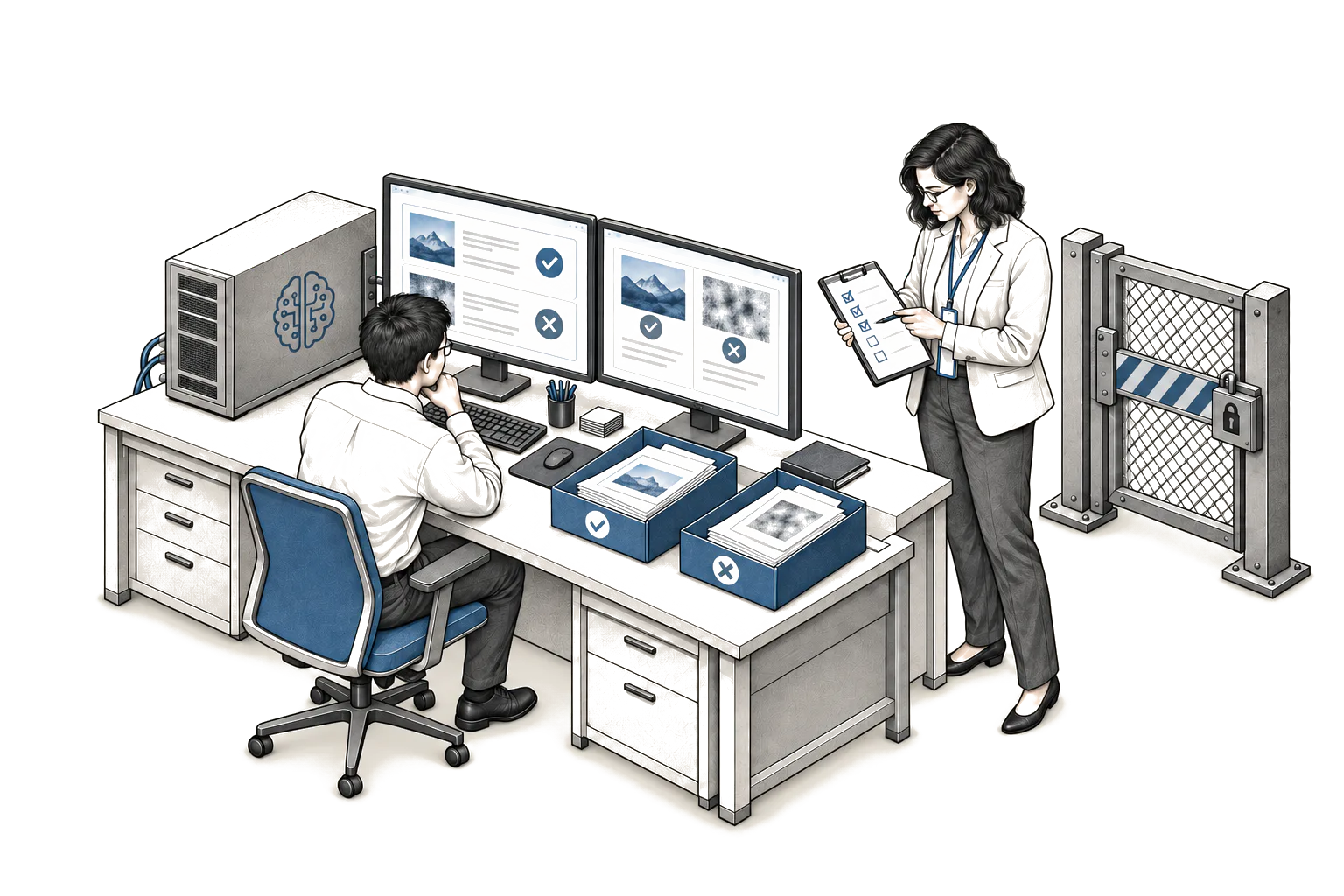
An AI pilot must be allowed to failA pilot needs a frozen decision, baseline, representative hard cases, operating exposure, cost boundary, and precommitted no-go criteria.8 min readRead
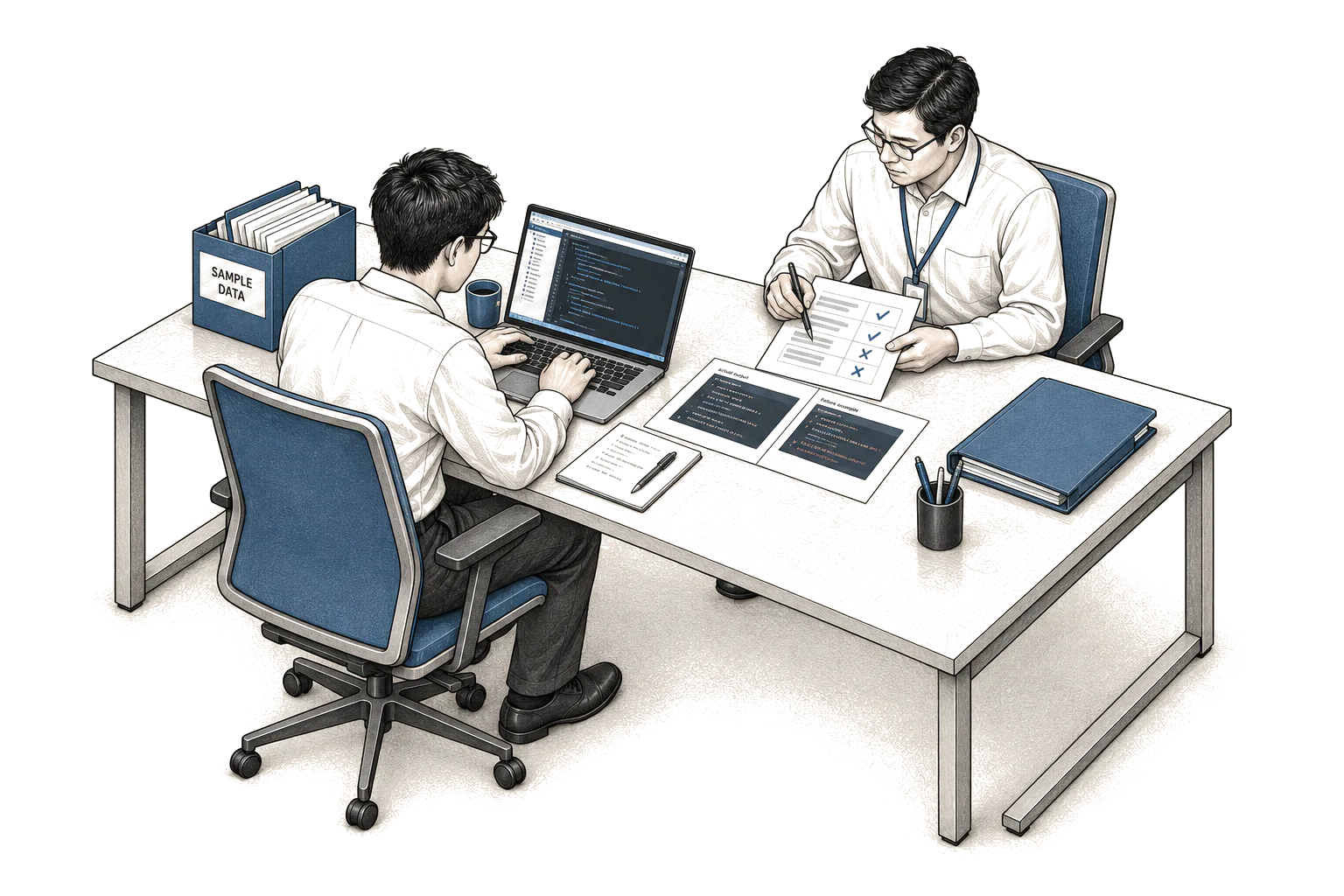
How should you test an AI vendor before hiring?Match a paid selection exercise to the delivery model. Test fixed-brief delivery through its returned artifacts, and embedded delivery through the actual workflow, access and approval constraints.8 min readRead
Should you build, buy, or partner for enterprise AI?Source model, data, workflow, integration, evaluation, experience, and operations independently, with explicit ownership and exit cost.6 min readRead
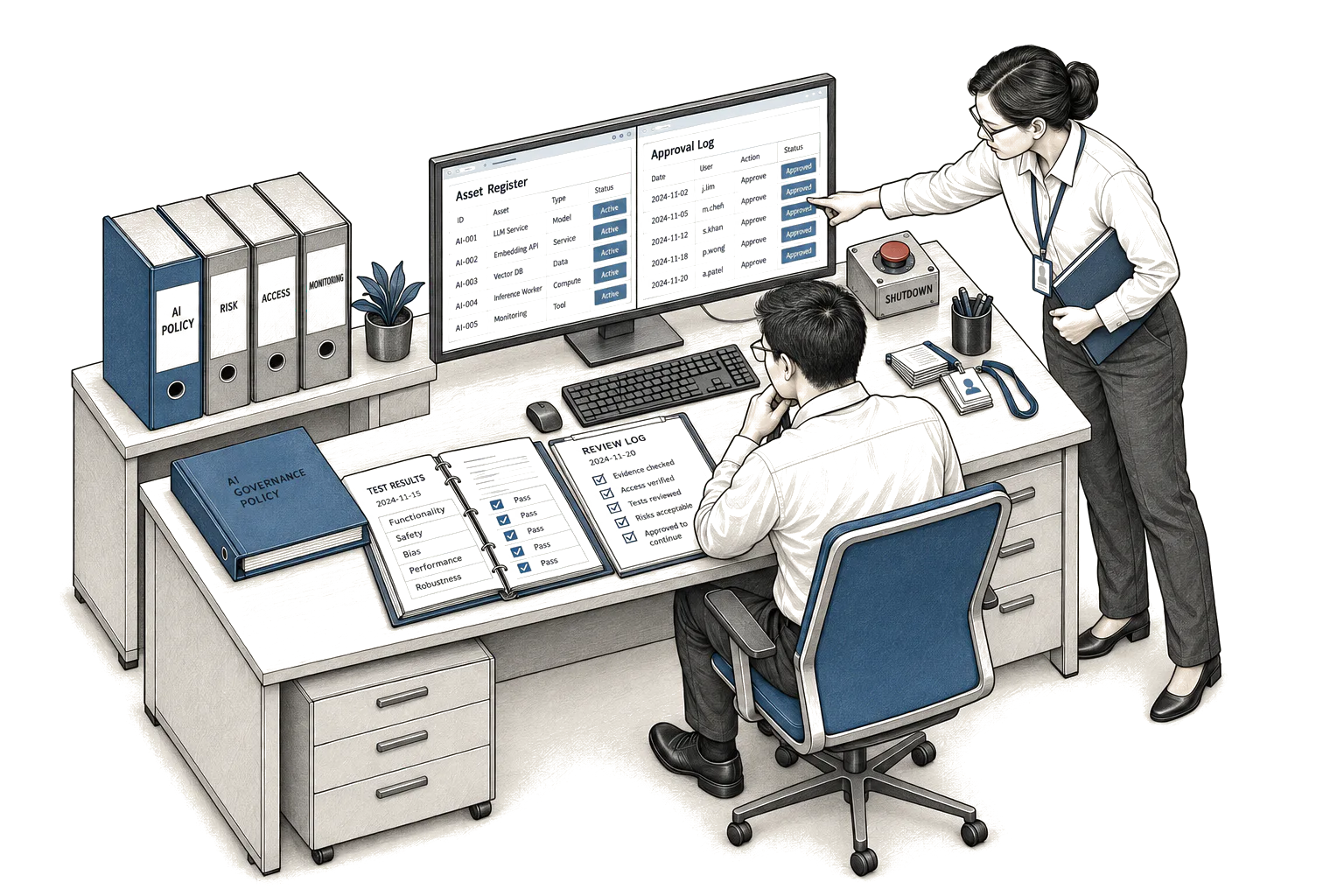
AI governance should produce evidence, not only policyA governance programme is working only when it produces artifacts an auditor can inspect for a named system on a named date. A policy document proves that someone wrote a policy, which is a different claim.8 min readRead
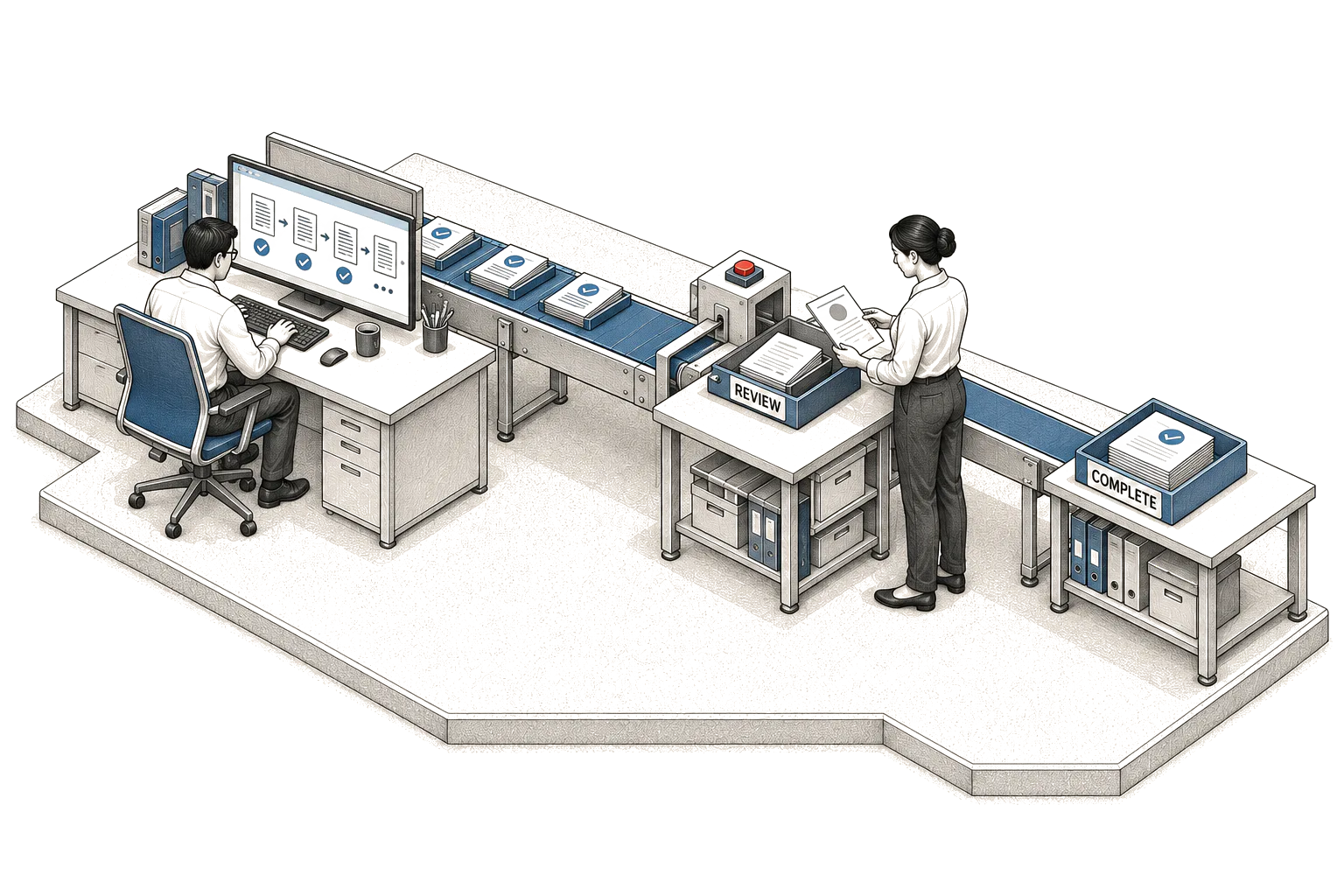
Measure adoption, not deploymentA shipped system that people route around has no value, so rollout needs task-level usage, abandonment, override, and rework measurement alongside model quality.9 min readRead
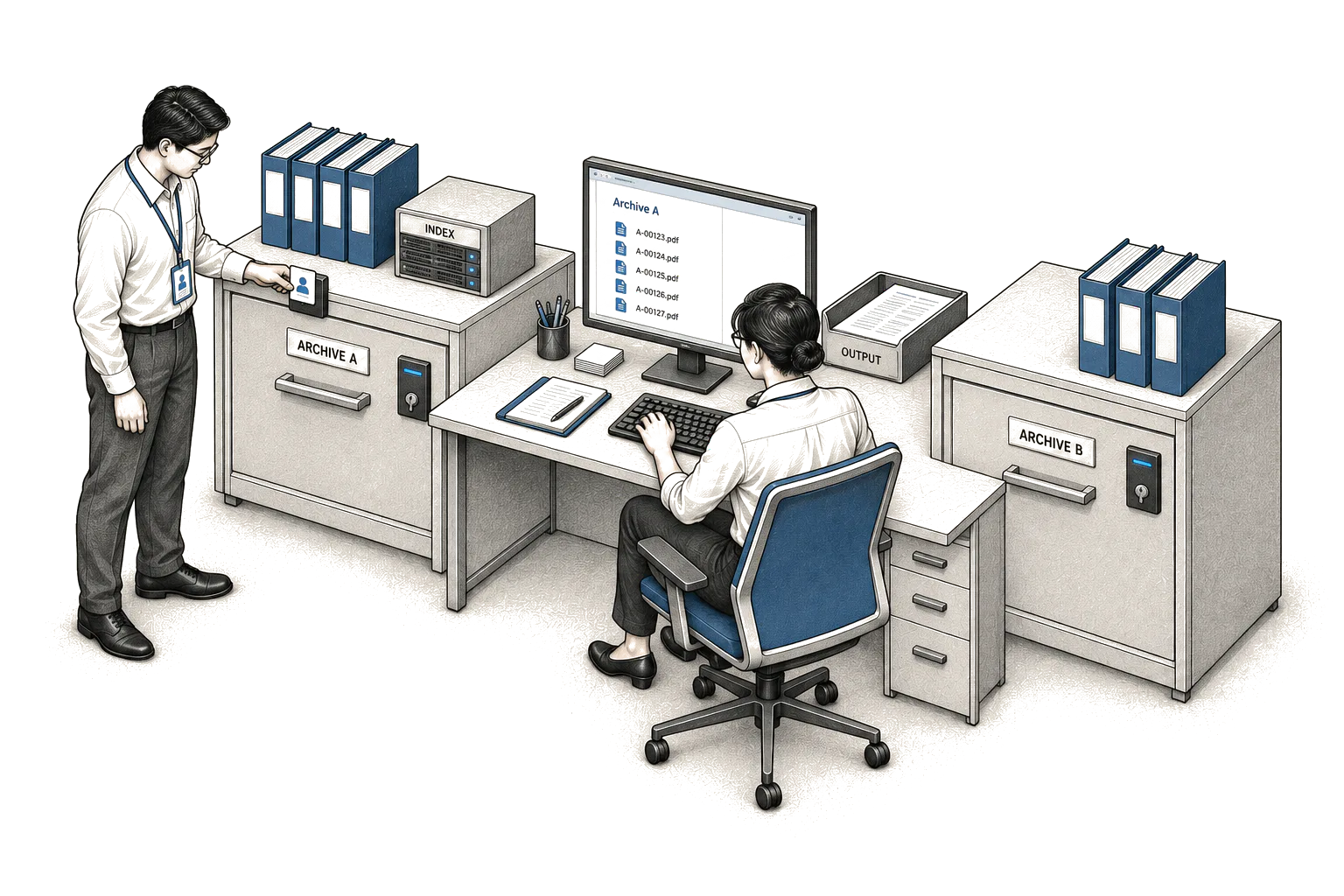
How to preserve RAG access controls end to endEnforce access rules across indexes, embeddings, caches, logs and evaluation data. Test permission changes at every retained copy, not only the user-facing query.9 min readRead
How to govern AI agent traces used for evaluationTraces kept for evaluation are a second production dataset carrying the same access, retention and consent obligations as the first. Teams govern the primary store and leave the trace store open, so the copy made for measurement becomes the weakest point.9 min readRead
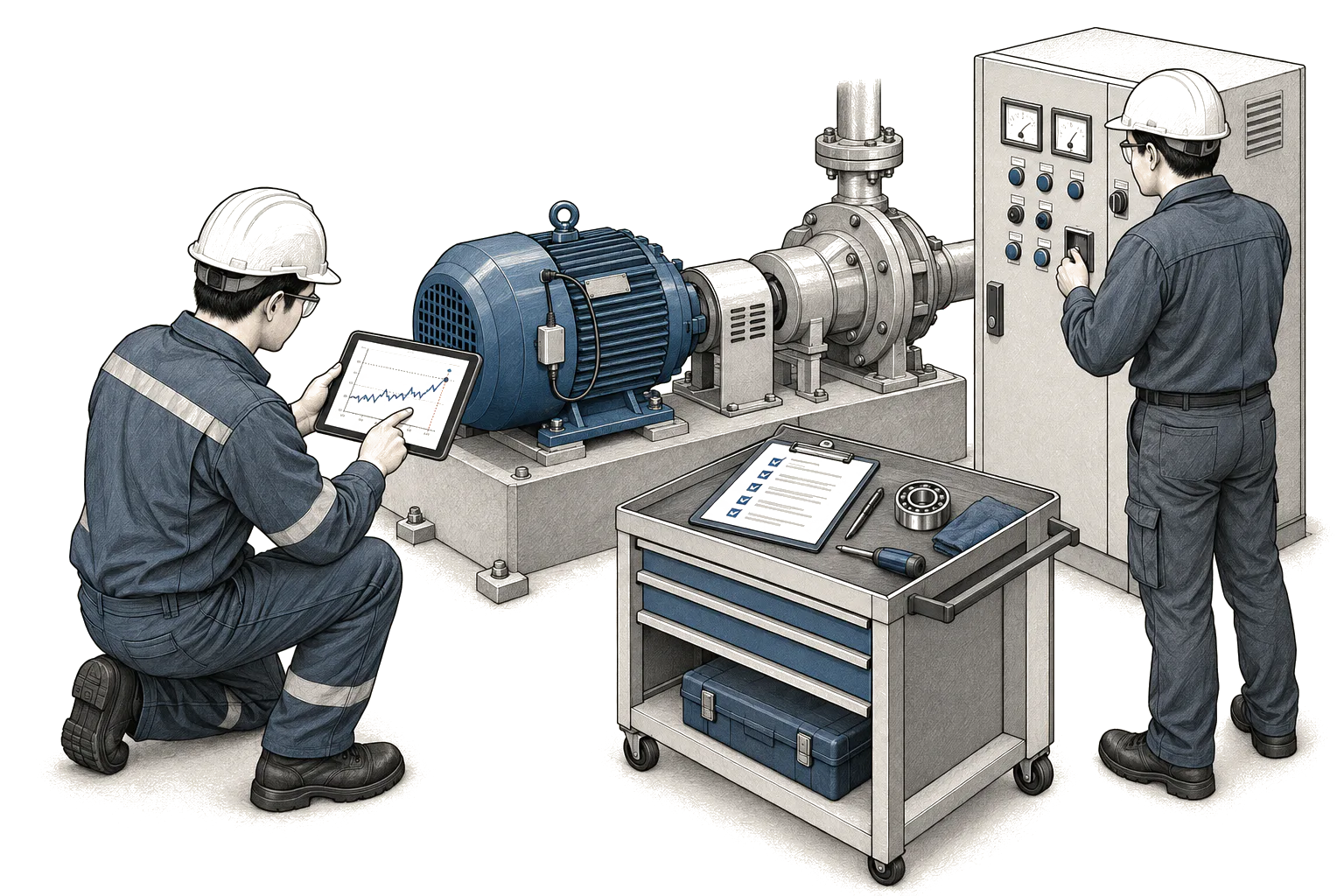
Does predictive maintenance AI actually save money?For one advisory asset, price the deterministic safety boundary, errors, review, fallback, integration, and maintenance without implying that AI should control equipment.9 min readRead
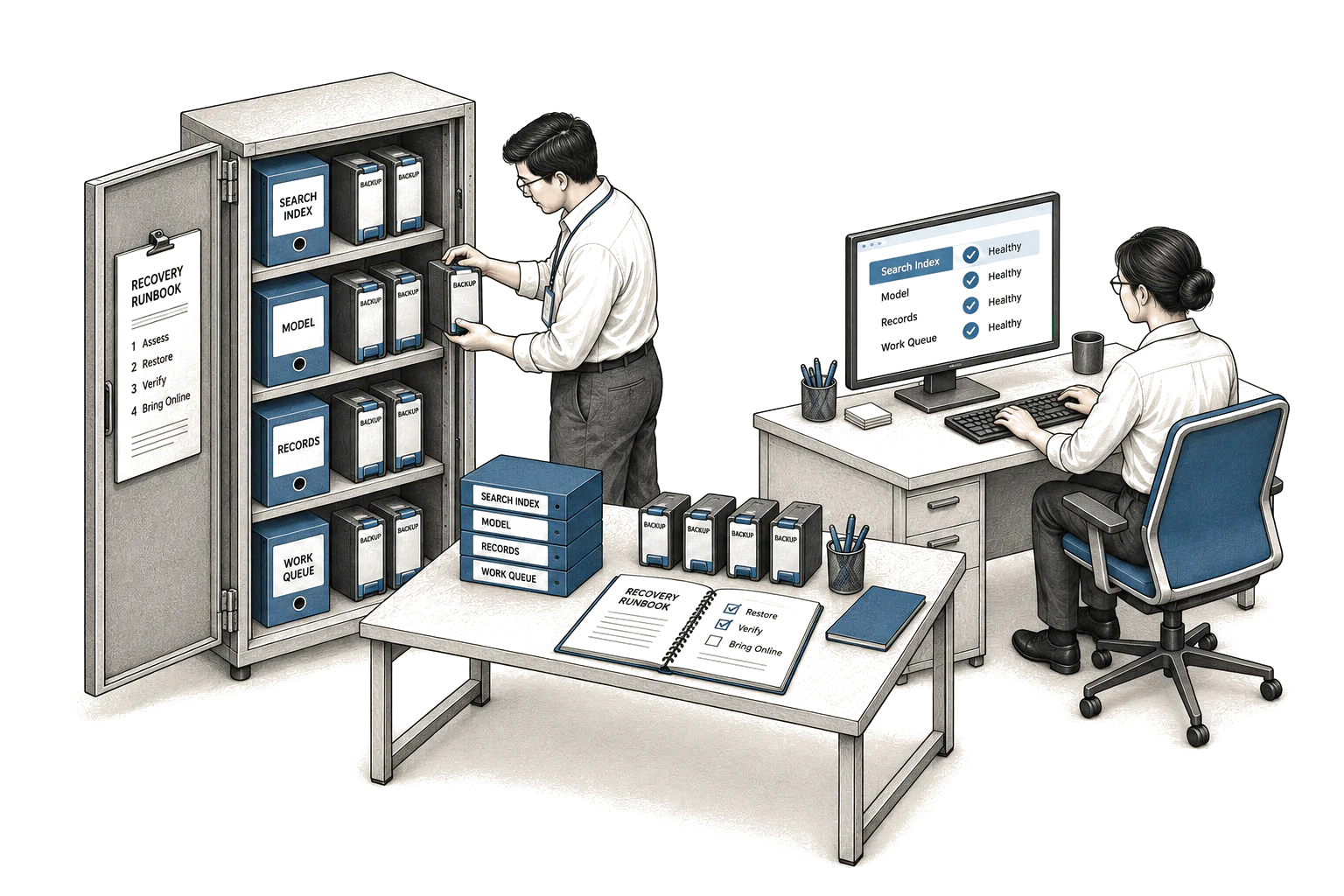
Write a disaster recovery plan for your AI systemRecovery objectives must be stated separately for the index, the weights, the trace store, and the queue, because each has a different rebuild time and a different data loss cost.12 min readRead
Your AI agent needs a safe way to stopEach failure class must choose refusal, deterministic fallback, bounded partial output, or a human queue instead of forcing every uncertain exit into one shape.10 min readRead
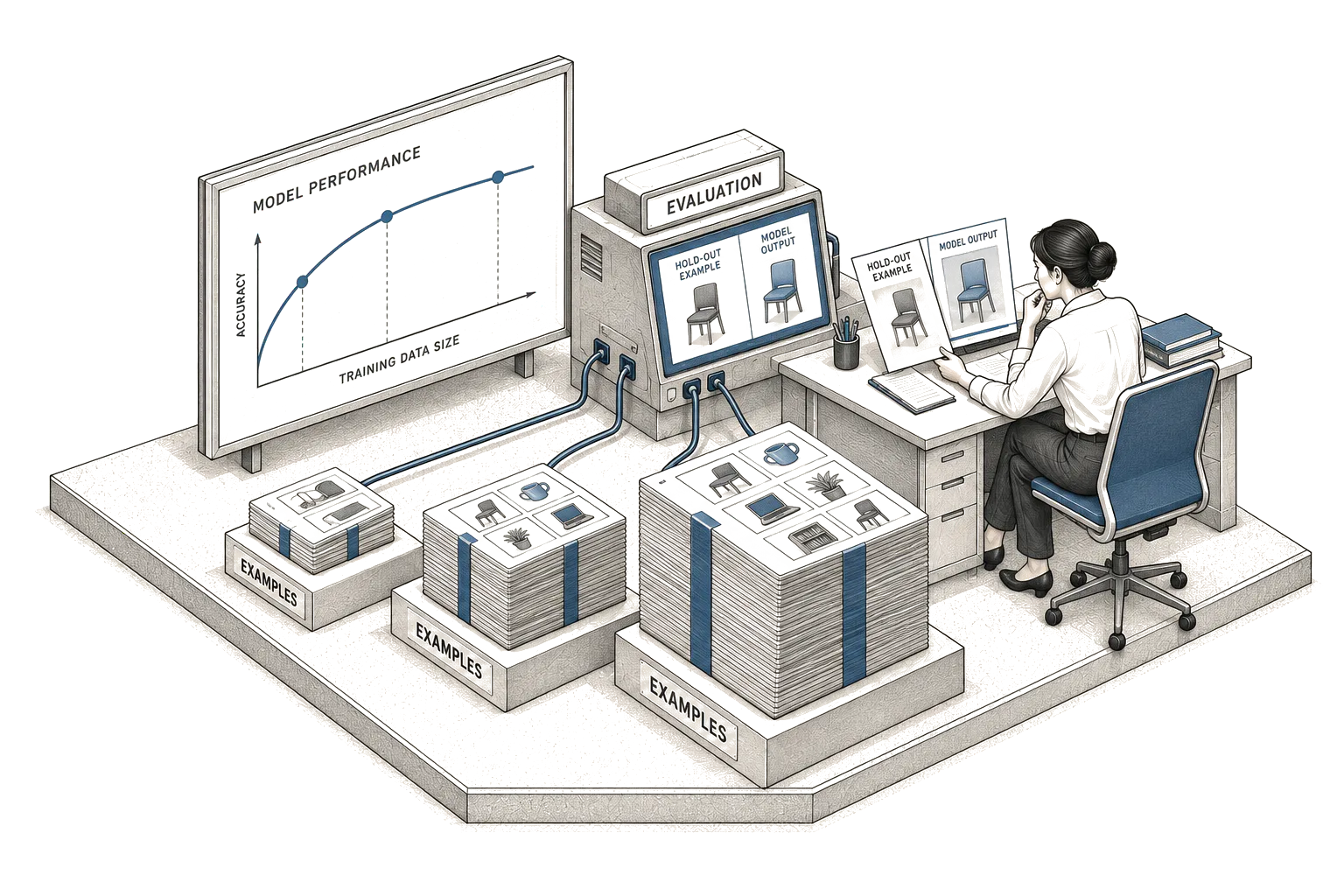
How much training data does your custom AI model need?The stopping point comes from stratified learning curves, uncertainty, marginal labeling cost, and alternatives, not a reusable example count.8 min readRead
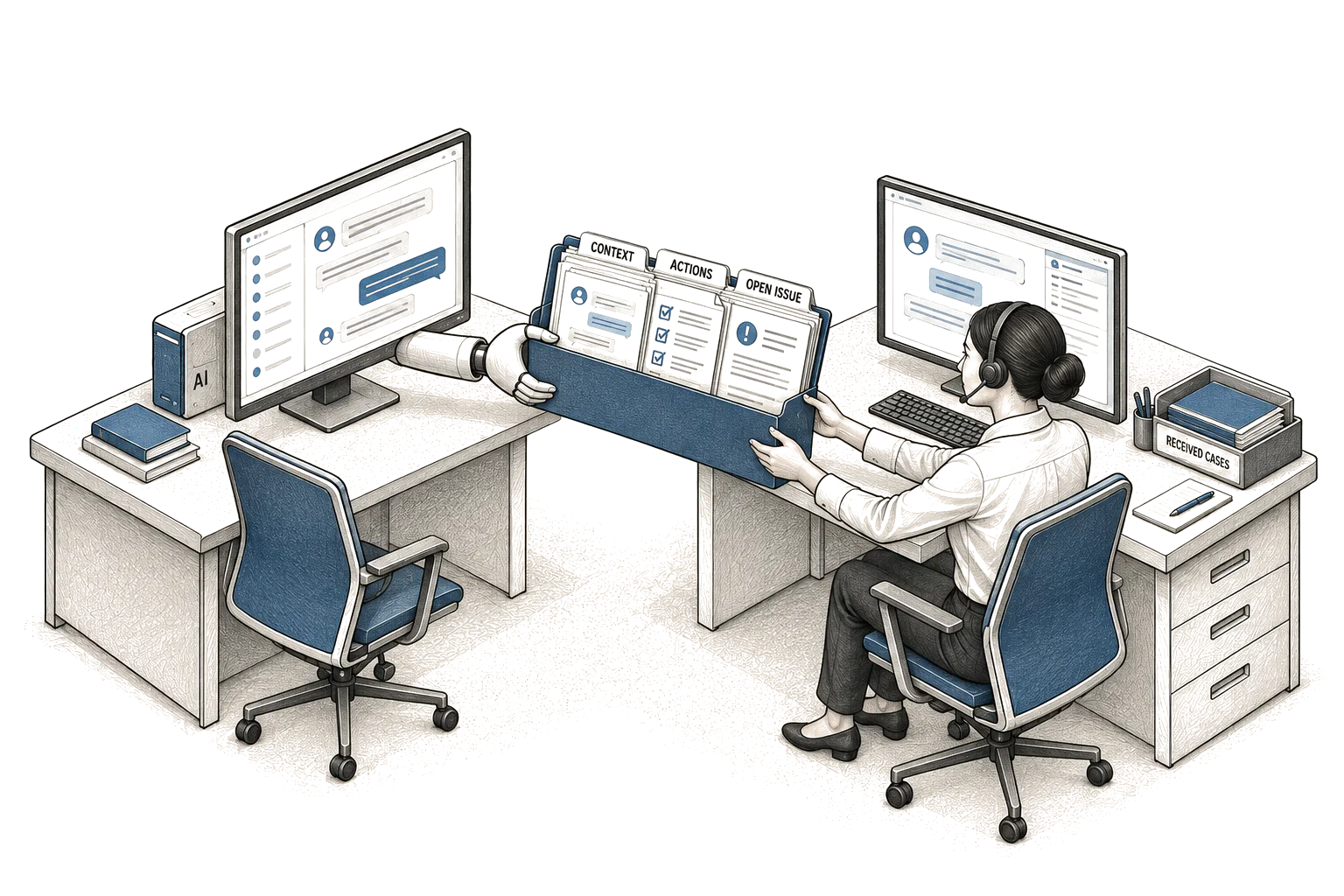
What must an AI support handoff preserve?A handoff is complete only when verified identity, conversation, evidence, attempted actions, tool results, unresolved work, and risk flags reach an owned queue.9 min readRead
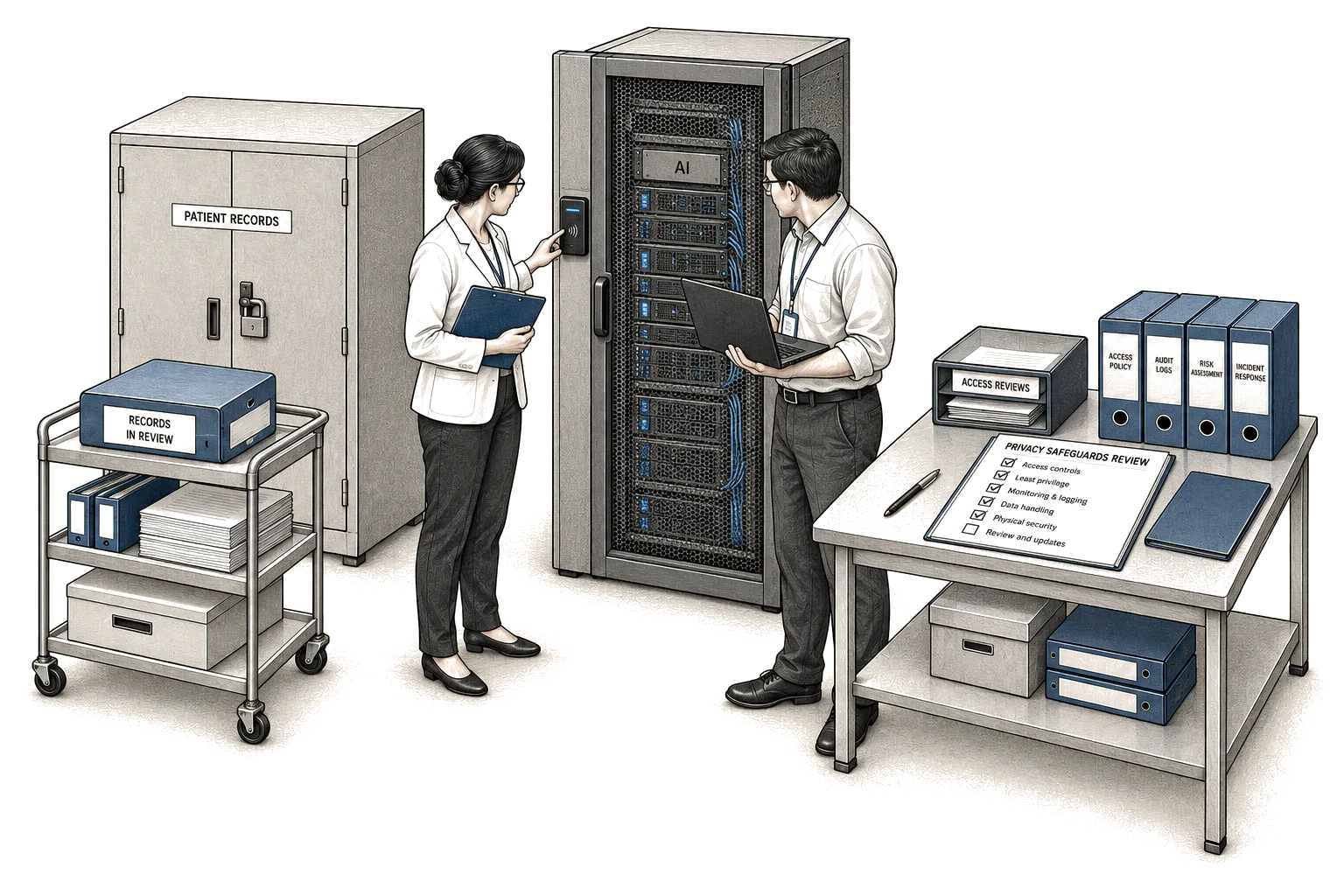
Local LLMs are not automatically HIPAA compliantRunning a model on your own hardware satisfies none of the Security Rule by itself. The obligations attach to access control, audit logging, integrity, transmission security and the agreements covering anyone who touches the data, and self-hosting changes where those controls live rather than whether you need them.11 min readRead
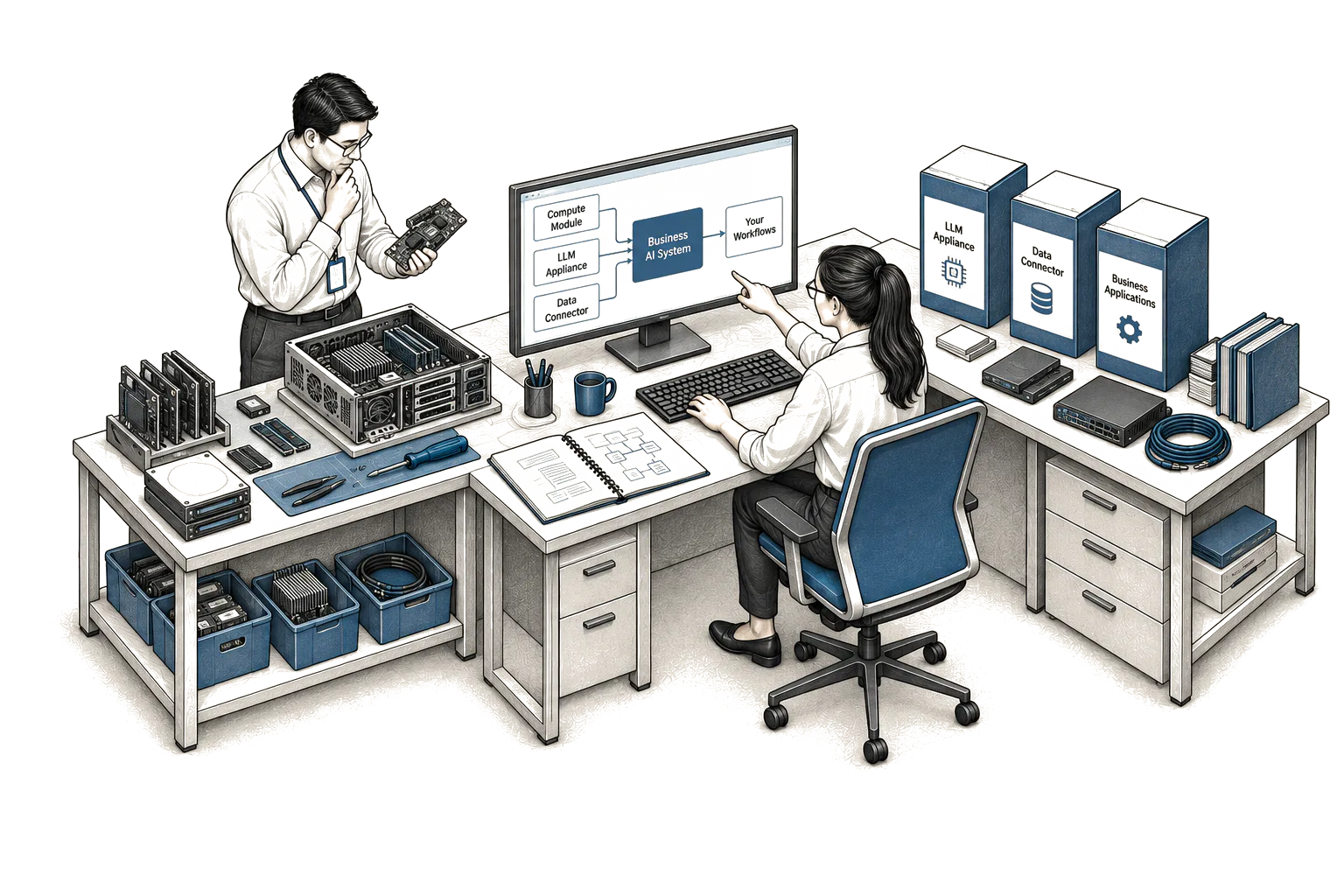
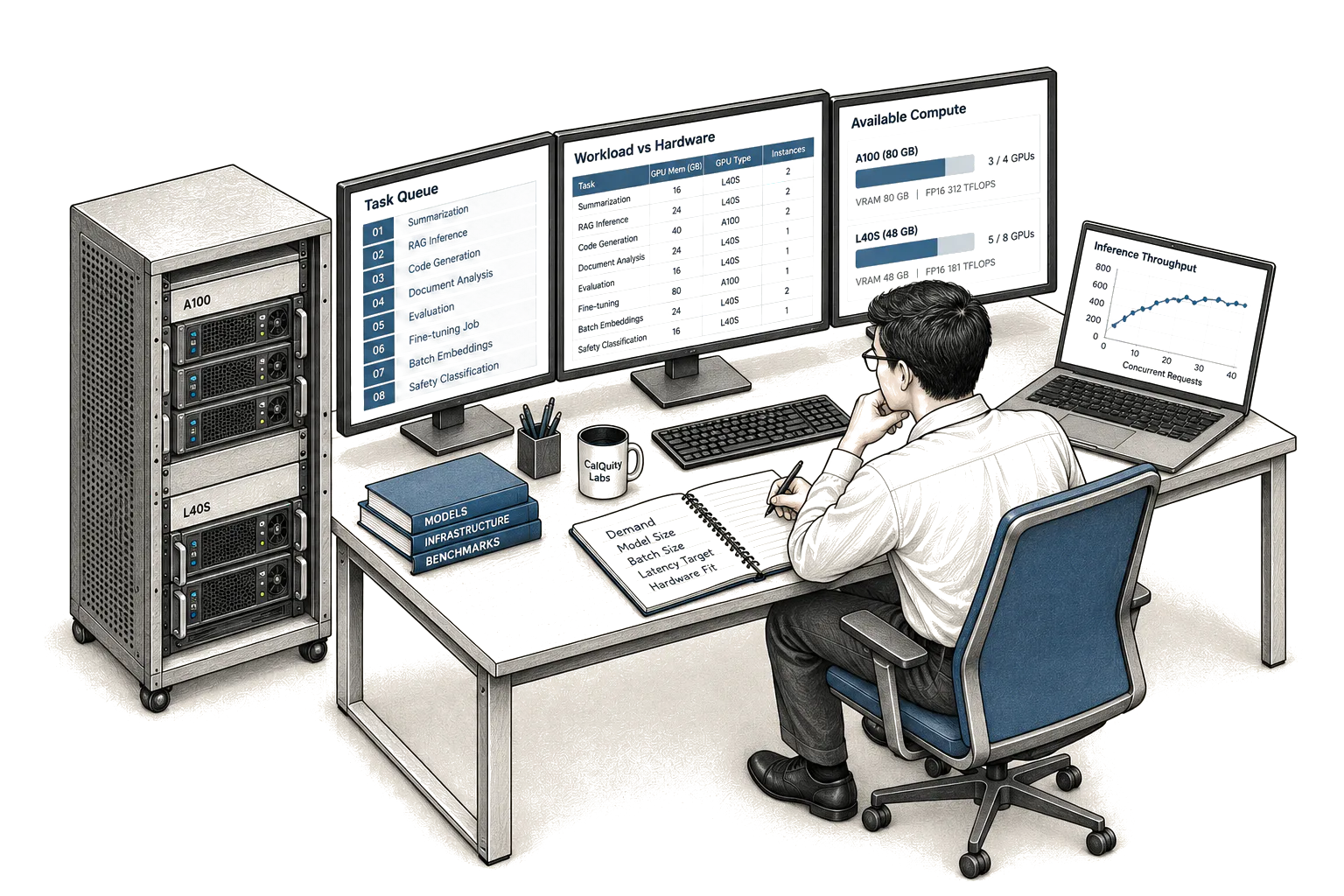
How much hardware does your on-premise LLM need?Size hardware from in-flight model requests, context length and response deadlines. Test both memory capacity and serving latency before pricing the configuration.11 min readRead
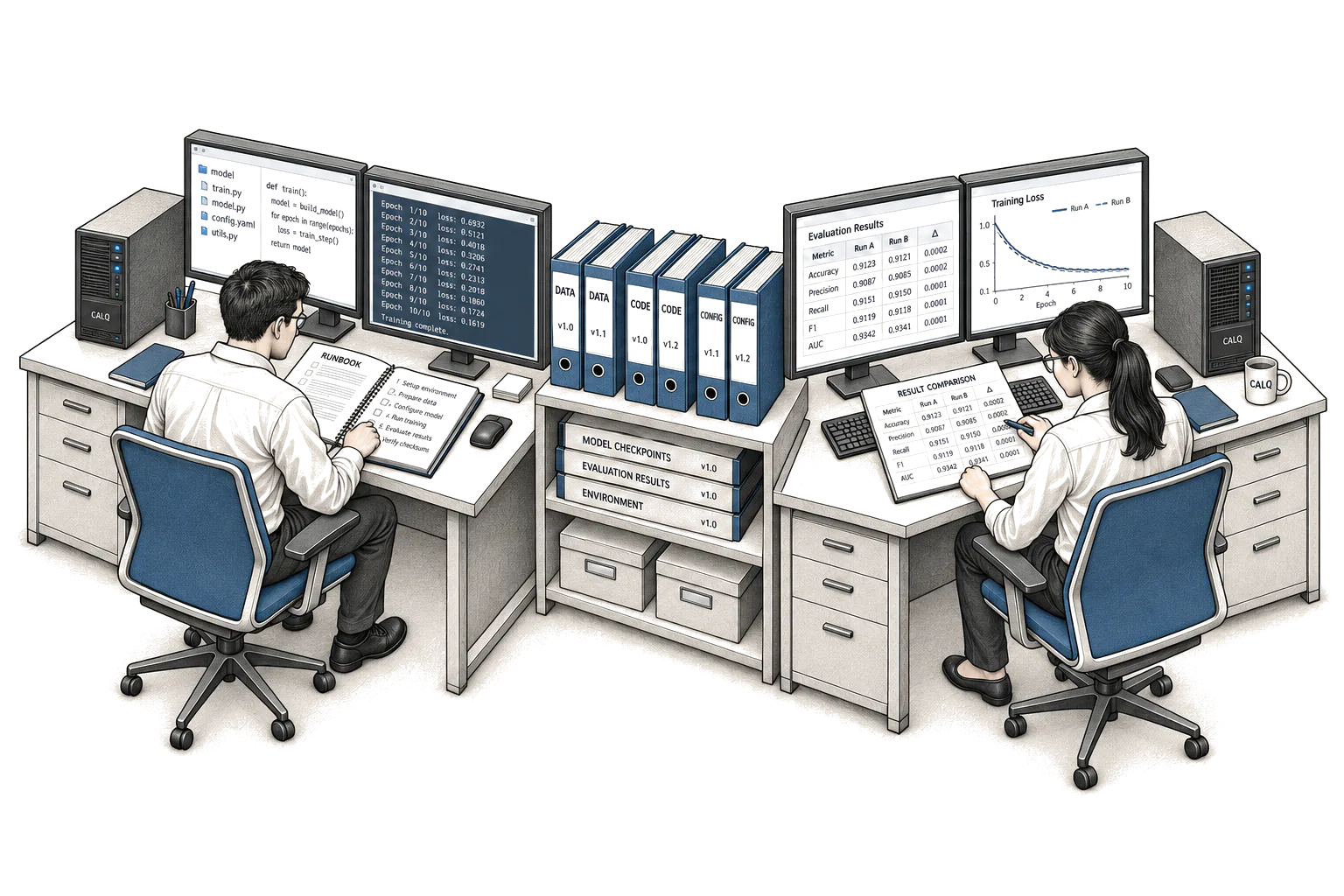
Require vendors to prove every custom model can be rebuiltA signed manifest proves integrity and traceability of recorded inputs; rebuildability additionally requires an executed reproduction test and declared tolerance.9 min readRead
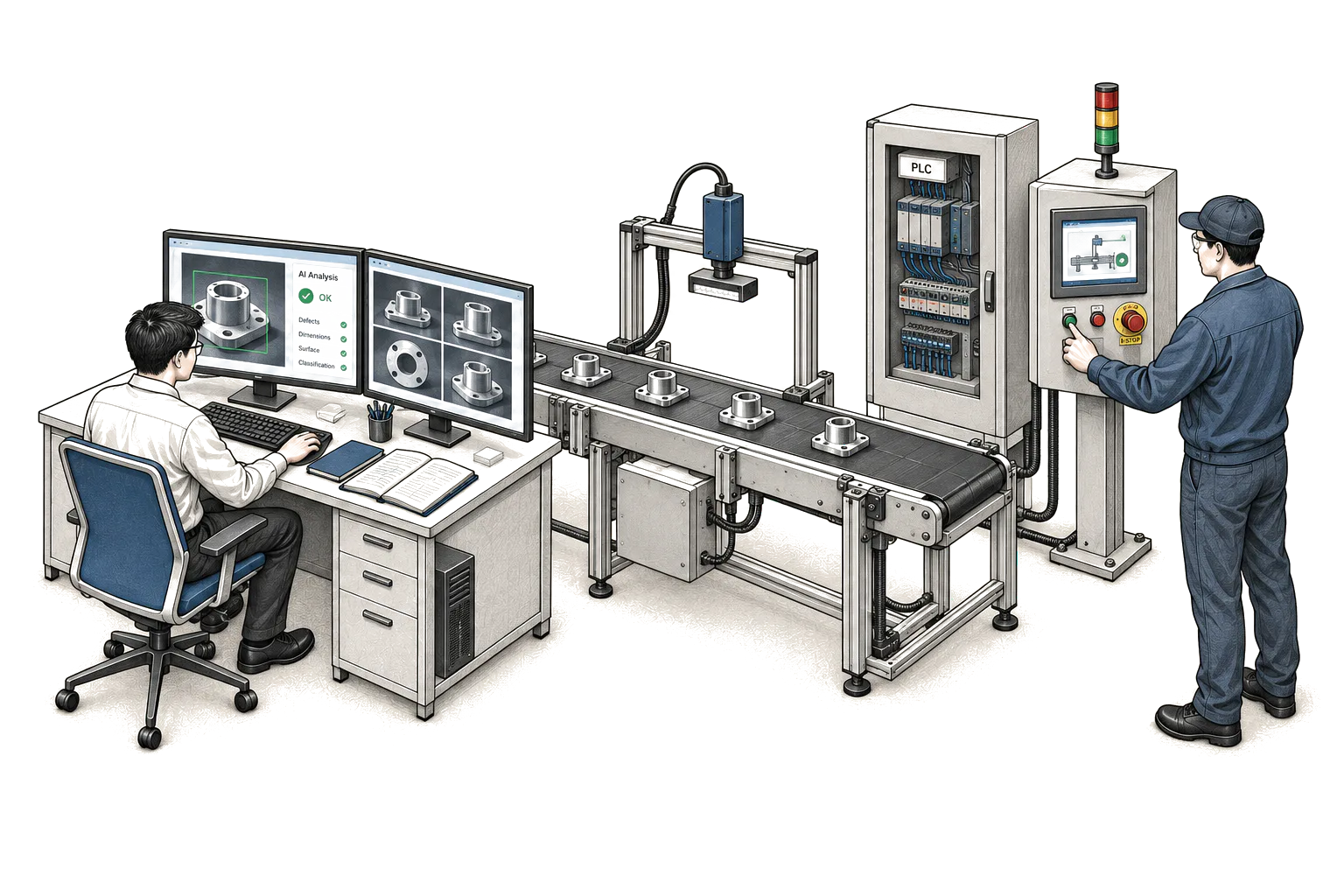
Keep generative AI outside deterministic control loopsA generative model may advise an operator or draft a change, but it must sit outside the loop that actuates equipment. The protection layer has to stay deterministic, independently verifiable and separately certified, because a probabilistic component cannot carry a safety integrity claim.10 min readRead
What does a forward-deployed engineer actually do?A forward-deployed engineer works directly with business users and owns the changes needed to make a system work in their operation. Access to the workflow and responsibility for delivery shape the role; on-site and remote arrangements depend on the work.6 min readRead
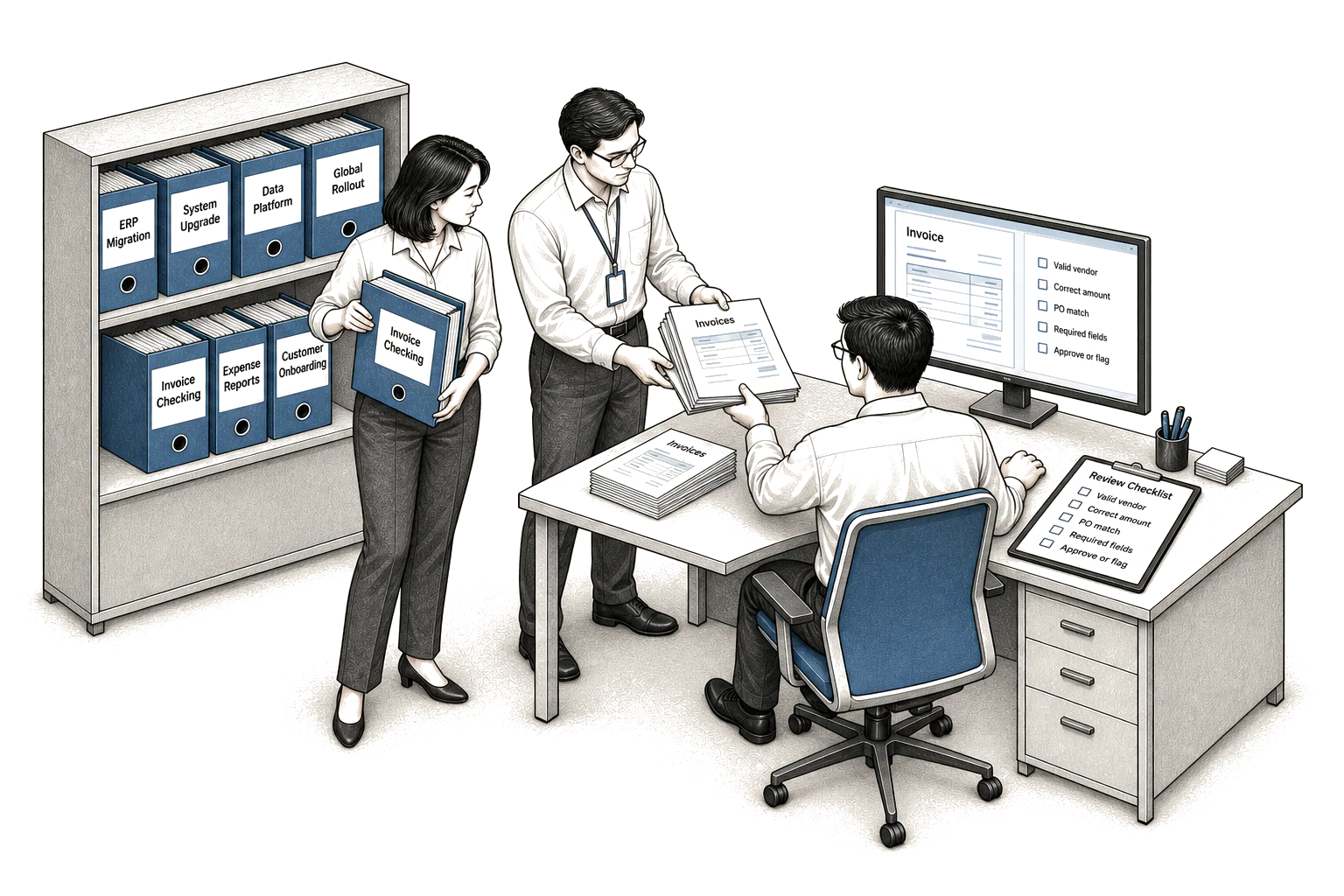
How much of my team's time will checking the AI take?Compare preparation, review, correction and sign-off time with the manual baseline. Mandatory review can still save time; unattended processing needs its own evidence and approval policy.6 min readRead
What happens when the AI gets one wrong?The question for a vendor is not the accuracy figure but what happens to the one it gets wrong: who sees it, when, and what has already happened by then.6 min readRead
Will my staff actually use it?Measure adoption through completed tasks, workarounds and review effort. Fit the system to users’ routines and decisions; logins alone do not establish useful adoption.6 min readRead
What should I ask an AI vendor in the first meeting?Seven questions, each with what a good answer sounds like and what a bad one hides.5 min readRead
What is forward-deployed engineering?Forward-deployed engineering shortens the path from observing a wrong assumption to changing the system. Direct access to the work and authority to make bounded changes are essential.7 min readRead
Do we need our own AI model?Test rules and retrieval before custom training. Train when a measurable requirement remains unmet, and compare the complete data, integration, evaluation and maintenance cost.6 min readRead
Do you need AI for this, or just software that works?Much of what is sold as AI is a database and a rule; AI earns its place only where the input cannot be specified in advance.6 min readRead
How does an engagement with an embedded engineering team start?It starts with a conversation about the work rather than a requirements document: we look at what you do, agree what is worth building, scope it, and put engineers on it, on site where that helps.4 min readRead
What will the first weeks with engineers on site ask of my team?The first ask is that you walk us through the work as it actually runs, because the fastest way to build something useful is to watch the job before writing anything that claims to do it.4 min readRead
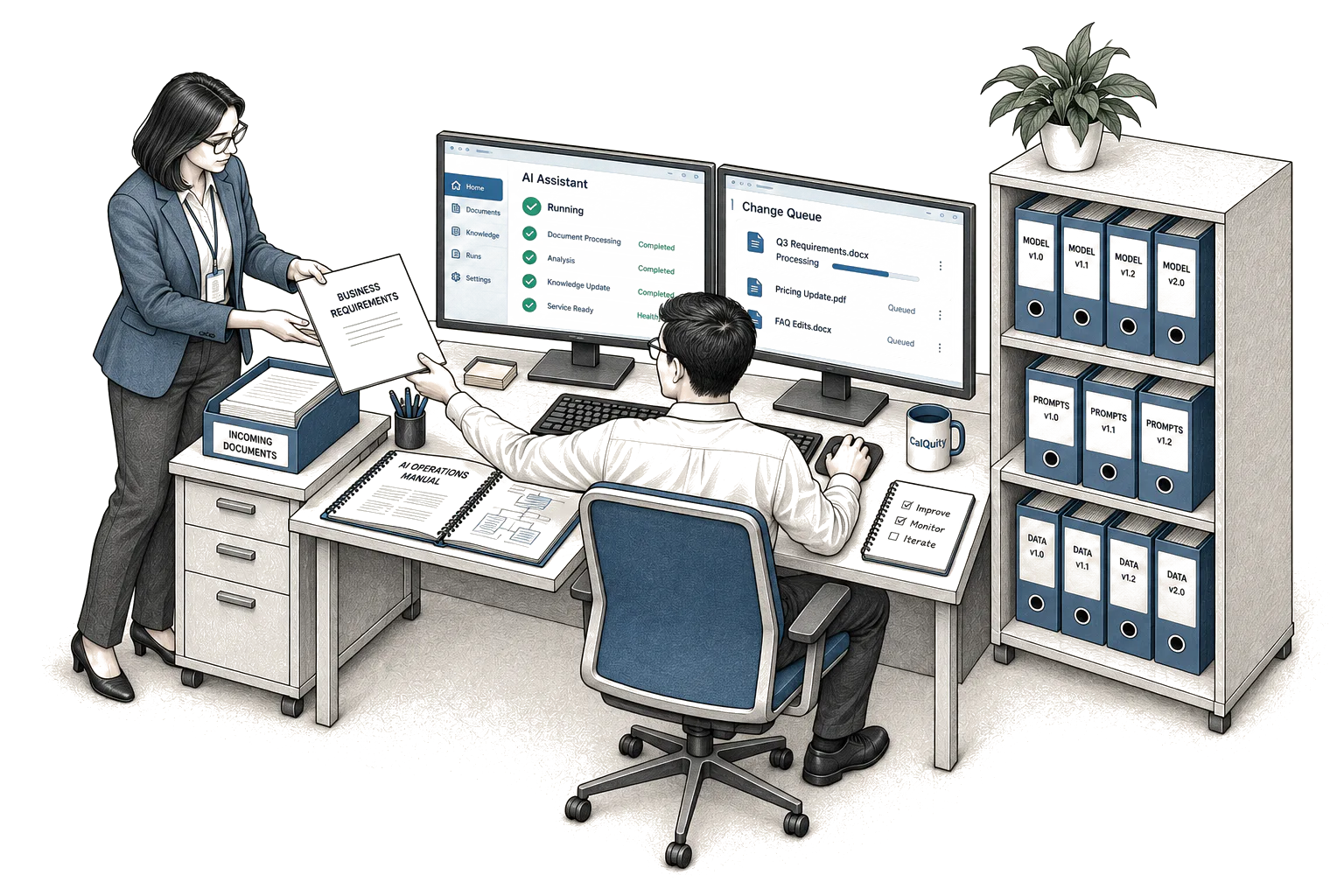
What happens to the system after the first version works?A working system is never finished, because the work it supports keeps changing; the question that matters is who holds the ability to keep changing it, and that can be your team, ours, or both.6 min readRead
Embedded engineers, an agency, contract staff, or a software licence?The four differ on who carries the risk that it never goes live and who knows the work at the end; choose by which of those risks you can afford to hold.6 min readRead
Which job should be the first one you hand to AI?The first job is repeated, checkable and boring, with a measure you already report; it is not the most impressive one.6 min readRead
Why do AI demos work and AI systems fail?A demo runs on chosen inputs with a person steering; a system runs on whatever arrives with nobody watching, and the gap is exceptions, access and an owner.4 min readRead
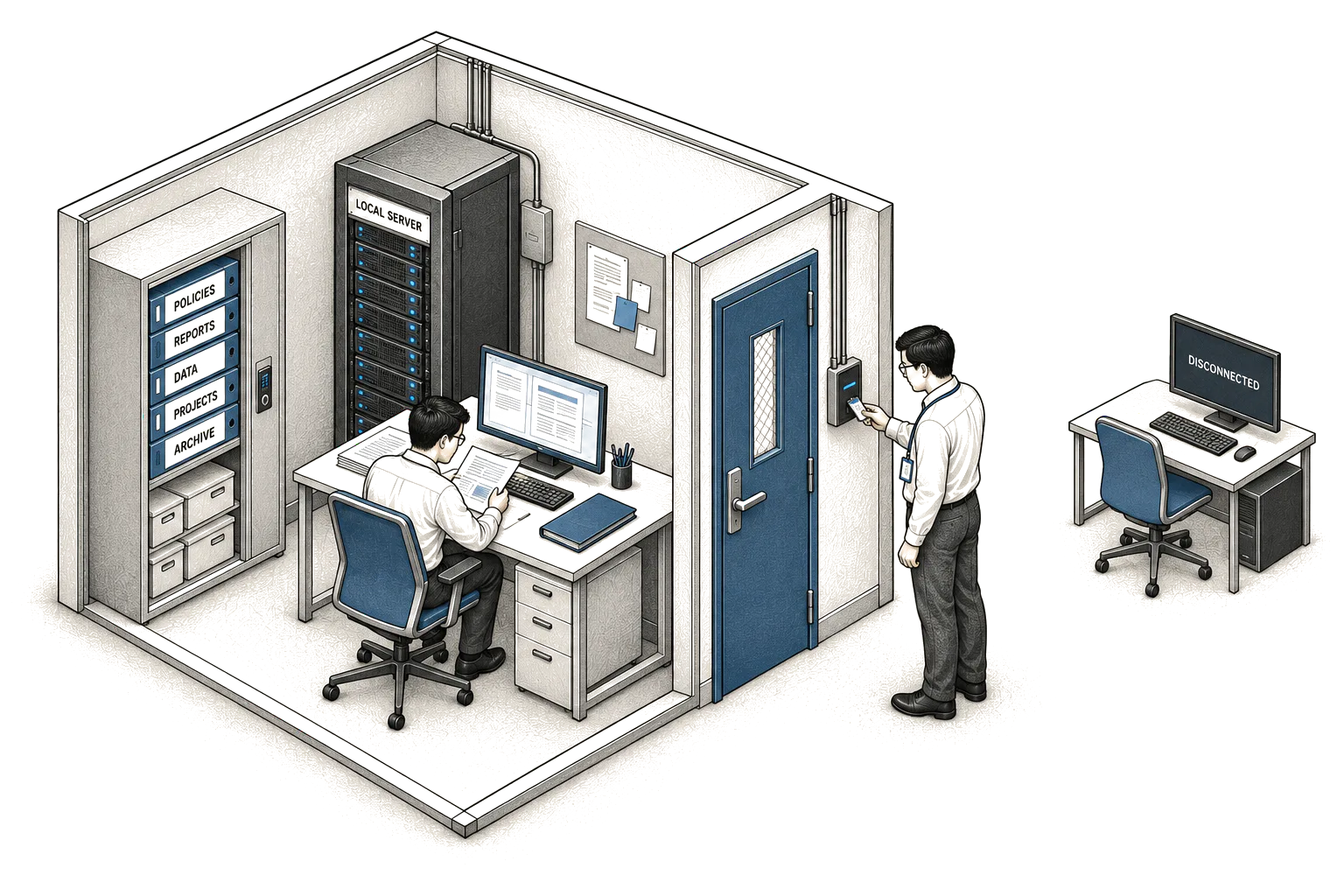
Does our data have to leave the building?No, but keeping it in-house costs hardware, power and a person, and in-house is a claim to be proved, not a label to be accepted.4 min readRead
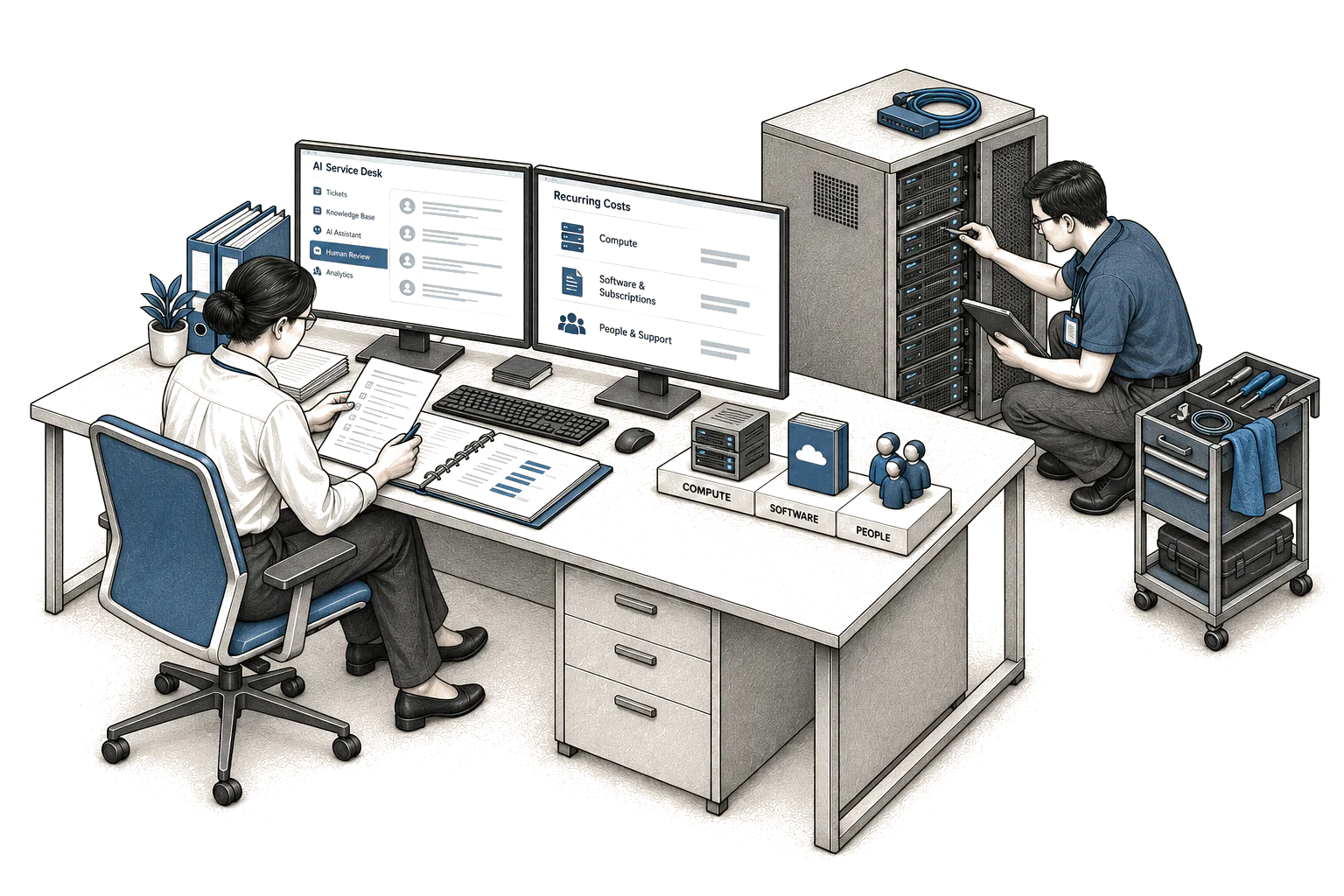
What will an AI system cost to run after it is built?Budget review, corrections, hosting, model usage, integration maintenance and support. Their relative size depends on the workflow; a build-only quote is not a running-cost estimate.5 min readRead
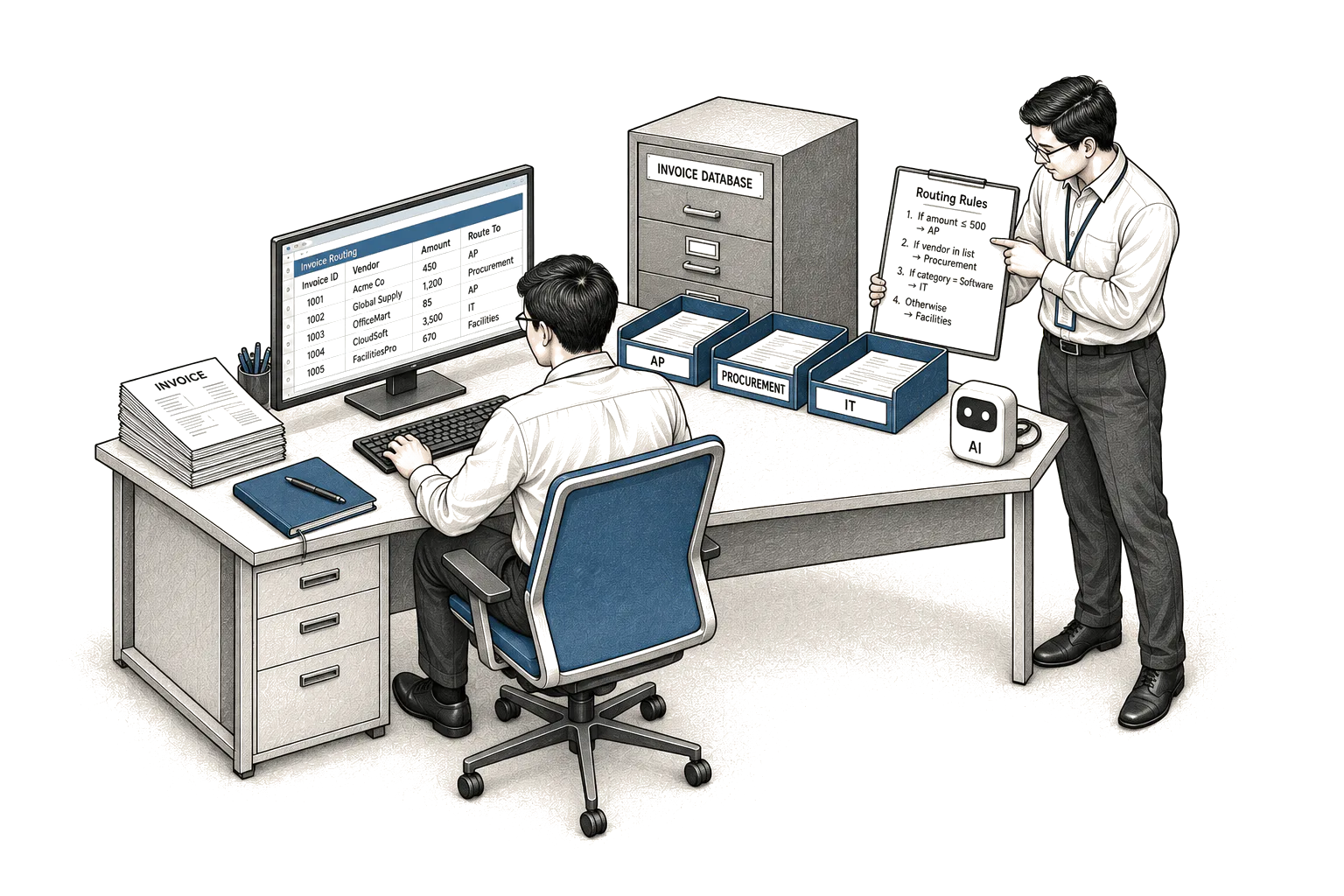
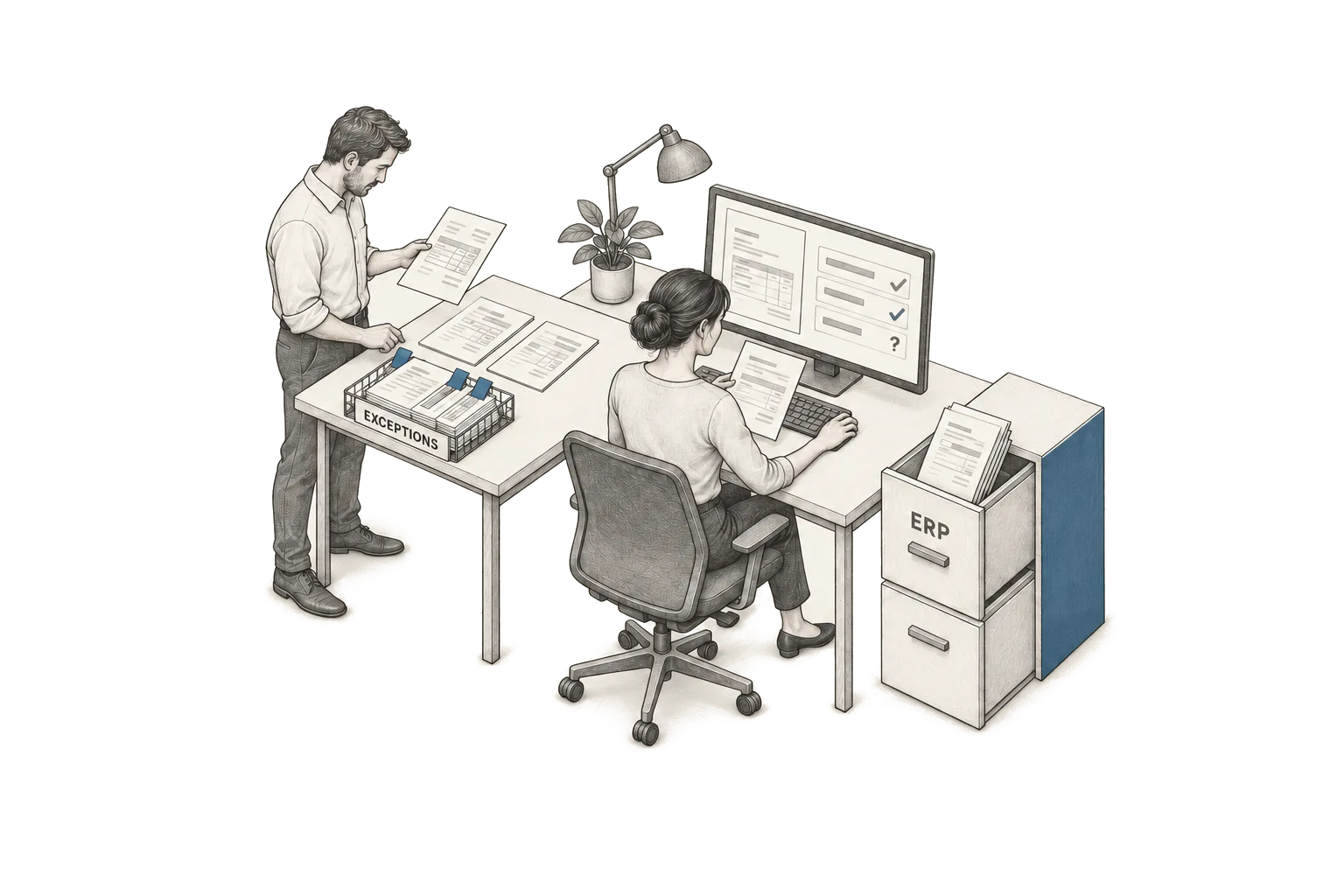
How to evaluate AI invoice processing before ERP integrationJudge invoice automation by correctly accepted records, a usable exception queue and reliable ERP posting.6 min readRead
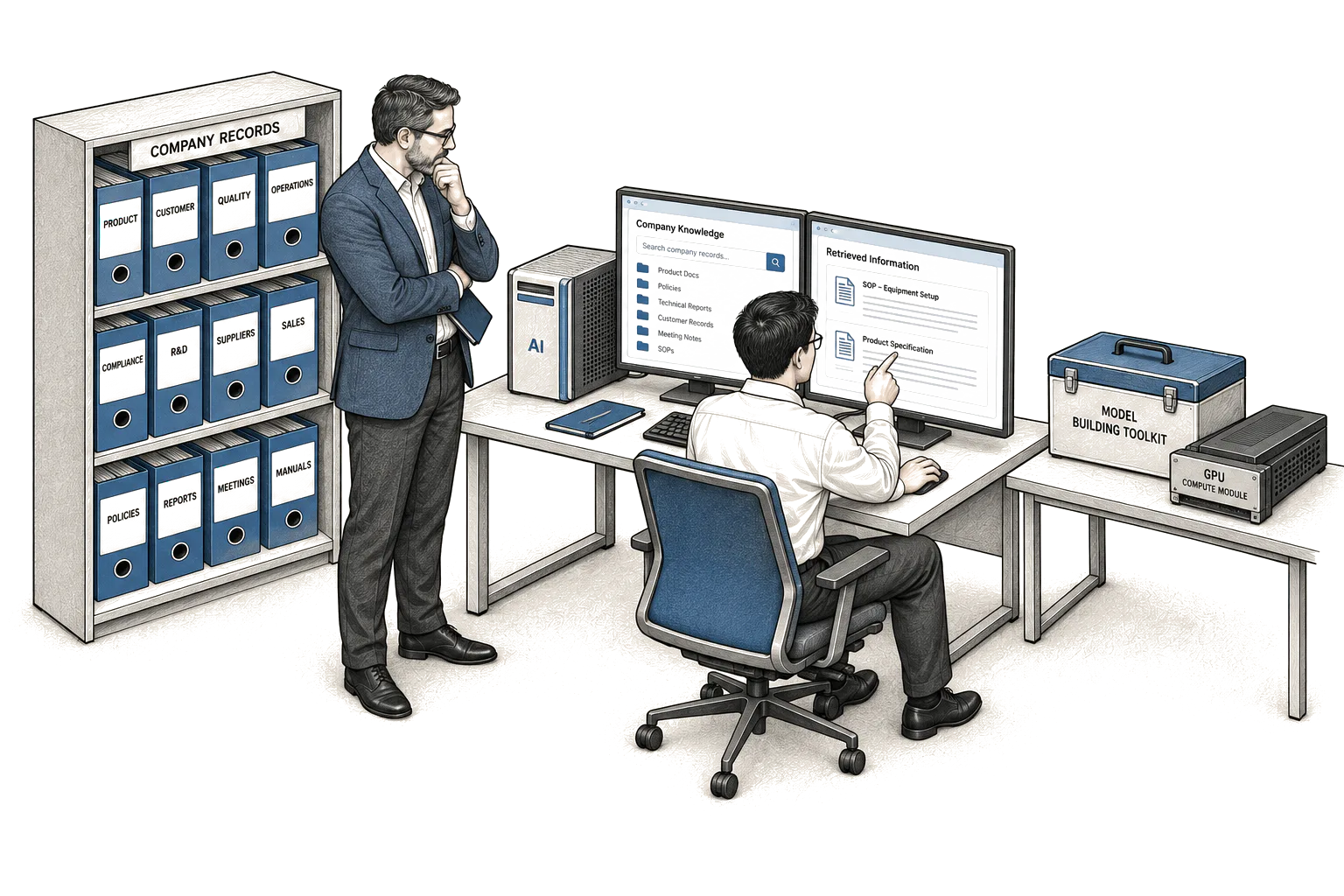
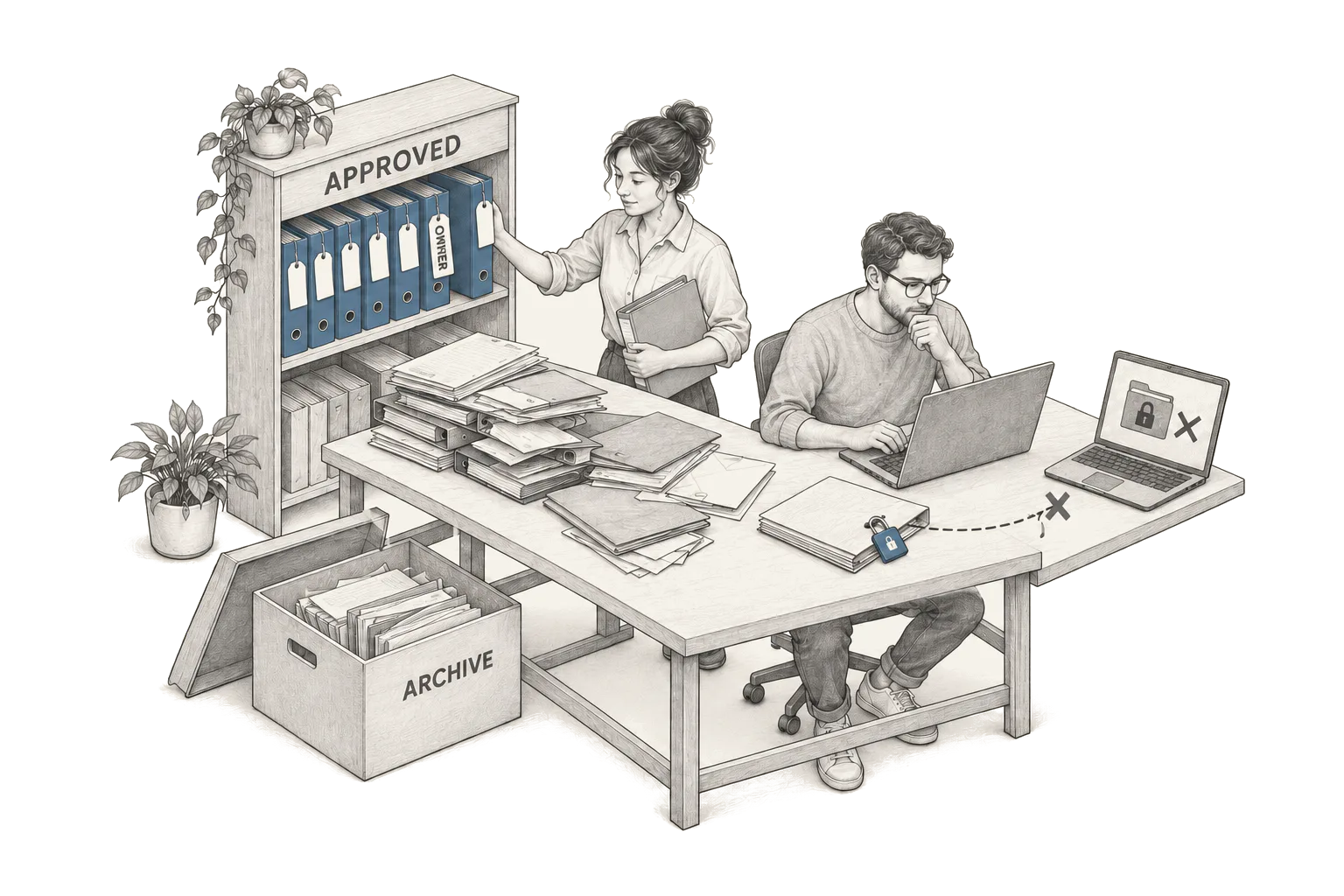
How to prepare company documents for AI searchChoose authoritative sources, assign owners and test permissions and updates before expanding internal AI search.6 min readRead
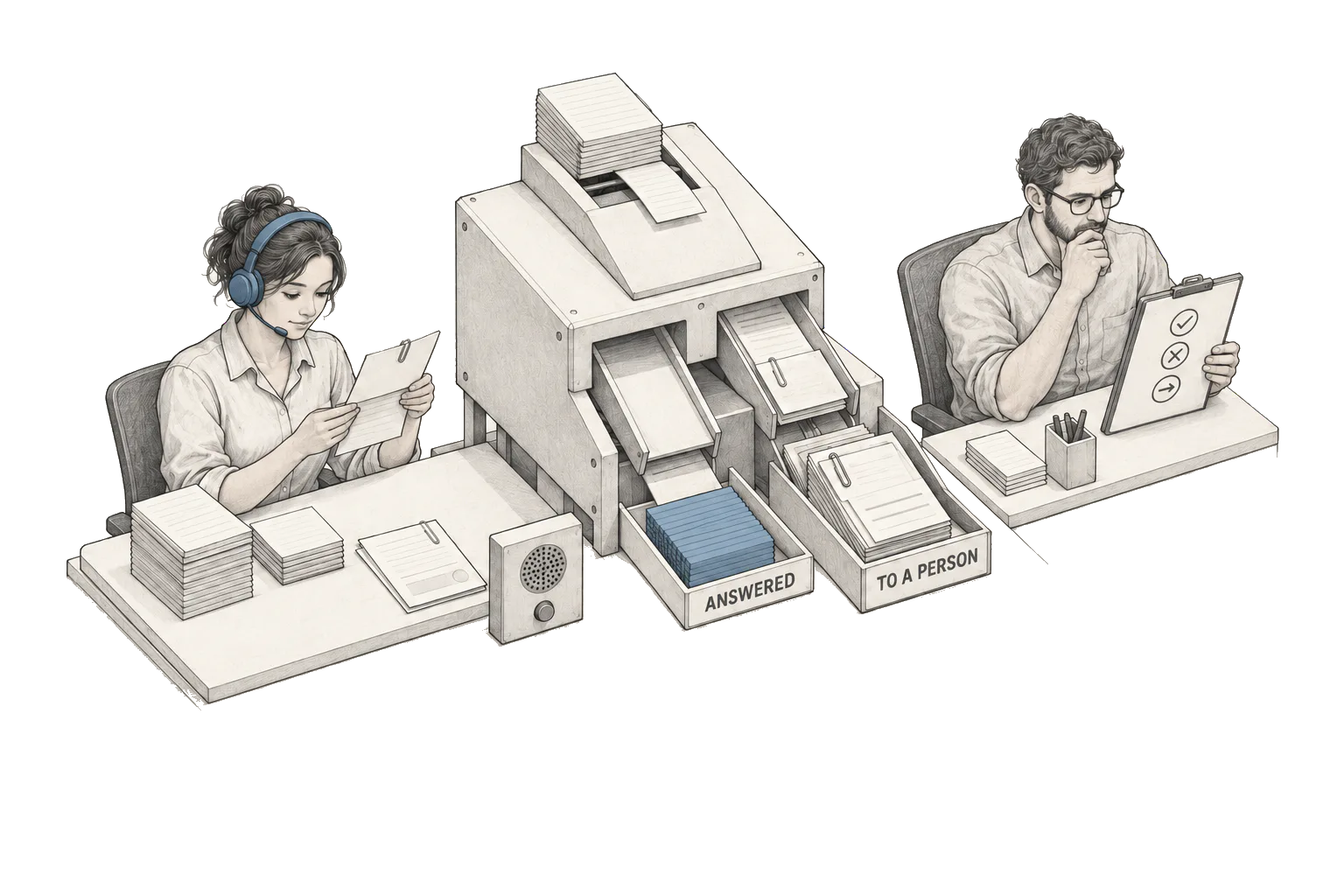
Which customer support requests should you automate first?Start with requests that have an approved answer, accessible records, bounded authority and a staffed fallback.6 min readRead
Start with the context
Putting an idea into practice?
Tell us what your team is working on. We will come back with what we would check first and whether a build would help.
or email us directly athello@calquity.com