 Ask a research question, get an answer built from your own filings, reports and notes.Explore this system
 Operations and planning
One live picture of the whole operation.
One status per consignment, and a flag on the ones that will miss.
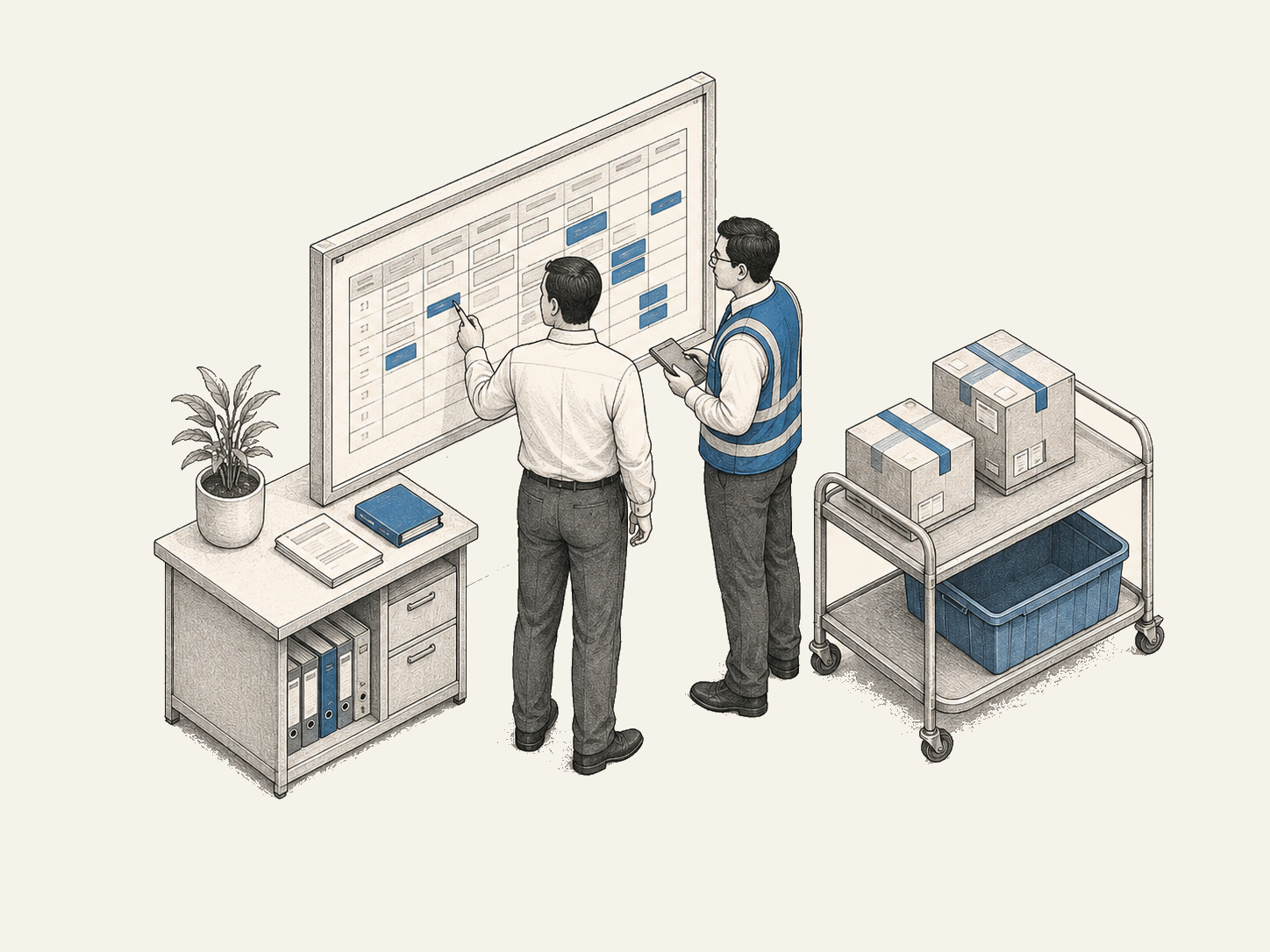
Status arrives in pieces: a GPS ping, an evening email, a driver's message, a POD photo two days late. The system pulls them into one record per consignment, with stages everyone reads the same way. A stage running past your threshold becomes an exception with a name against it.
Illustrative example
What this could look like in practice
A distributor moves stock through four transporters. Two send telematics feeds, two send a spreadsheet at the end of the day. The system reconciles those with the e-way bill, the driver's updates and the POD photo into one status, so the service desk stops phoning transporters. A truck still six hours short on the morning of the promised date appears on the exception list with the customer and order value beside it.
How the system helps
The work it takes off your team
- Turns vendor feeds, driver updates and manual entries into one status.
- Flags a stage past your threshold, with the order value attached.
- Shows both timestamps when two sources disagree.
- Drivers and transporters can correct the record from a phone.
Considerations
Things to settle before building
- Who wins when GPS and the transporter's email disagree is your call.
- Thresholds need tuning, or the exception list becomes another ignored report.
- Partners emailing spreadsheets will keep doing so. Plan for it.
Outcome measures
Useful things to measure
Suggested yardsticks for judging whether a system like this is earning its place — not results we promise.
- OTIF by lane and transporter
- Late signal to flagged exception
- Consignments needing a status call
- Age of open exceptions
Where it applies
Sectors where this fits
Logistics, fleet and transporter networks · Manufacturing planning and production control · Distribution and multi-warehouse retail · Government supply chains and infrastructure operations
Other systems
Explore what else we build.
Ask a research question, get an answer built from your own filings, reports and notes.Explore this system 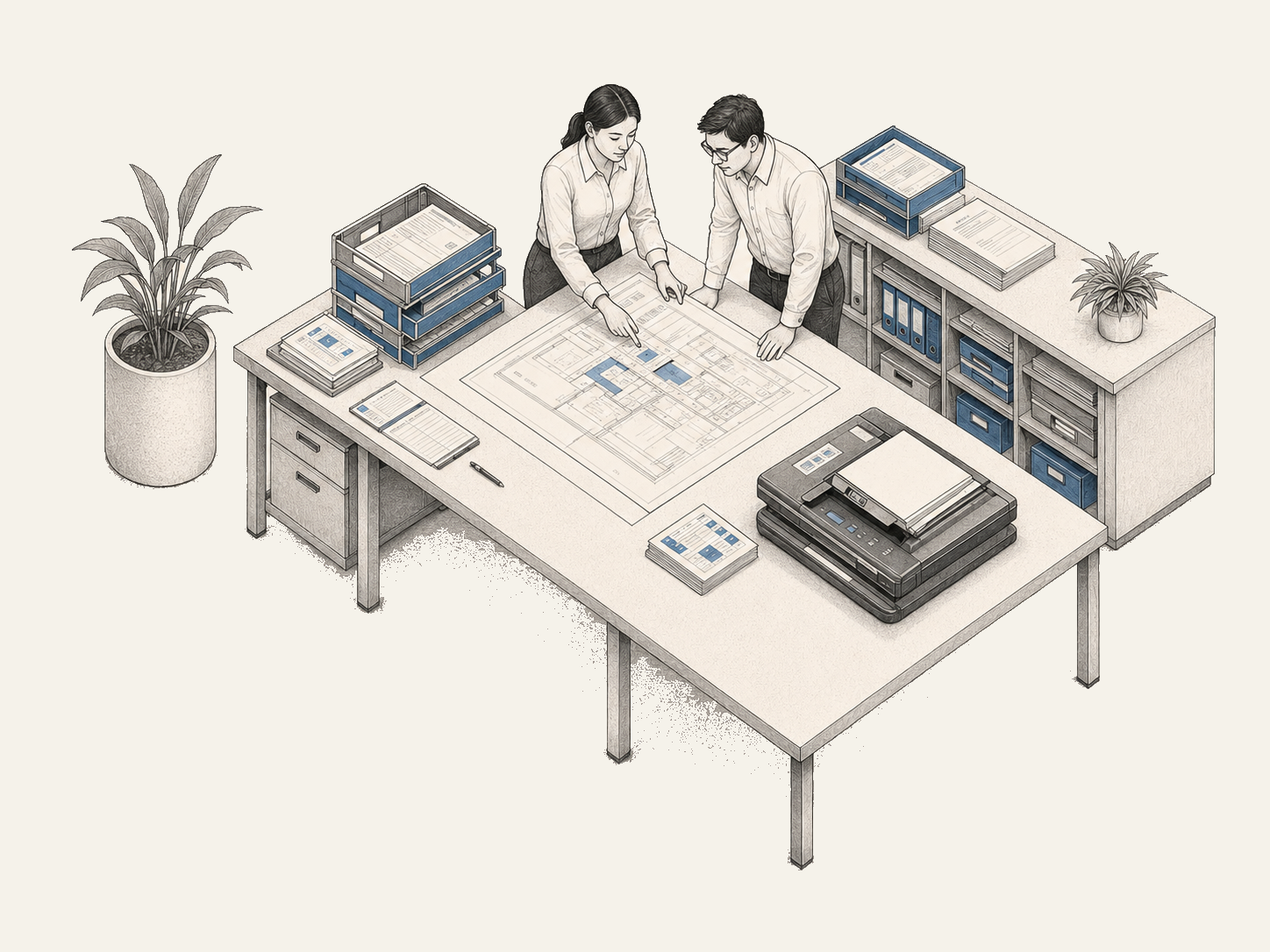 Read leases, invoices and GRNs into fields a person confirms before your ERP acts.Explore this system
  Answer the calls that have one clear answer, hand the rest over with full context.Explore this system
 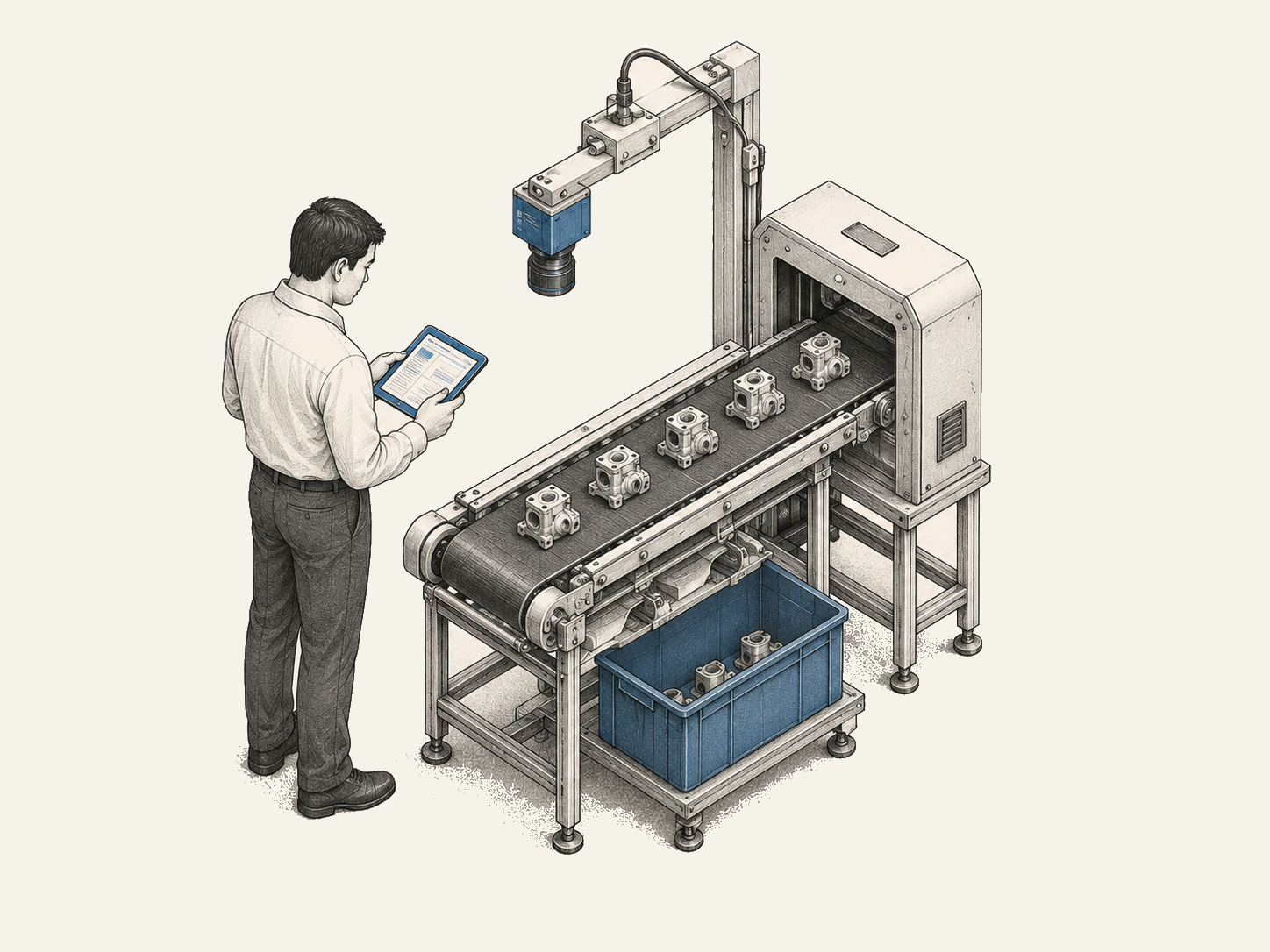 Check finished goods and site safety on the cameras you already have.Explore this system
 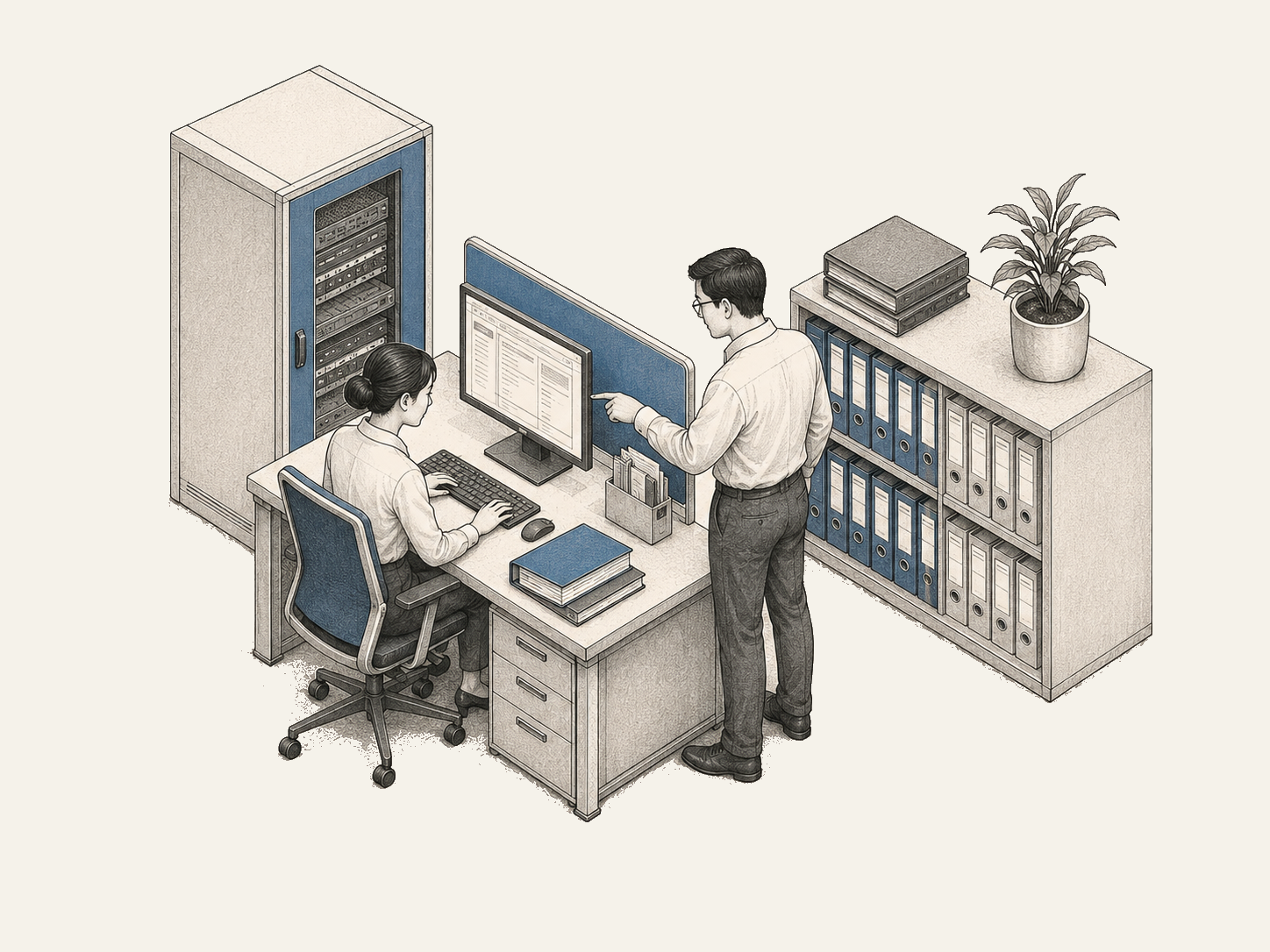 Staff ask your own documents and get sourced answers, inside your network and permissions.Explore this system